
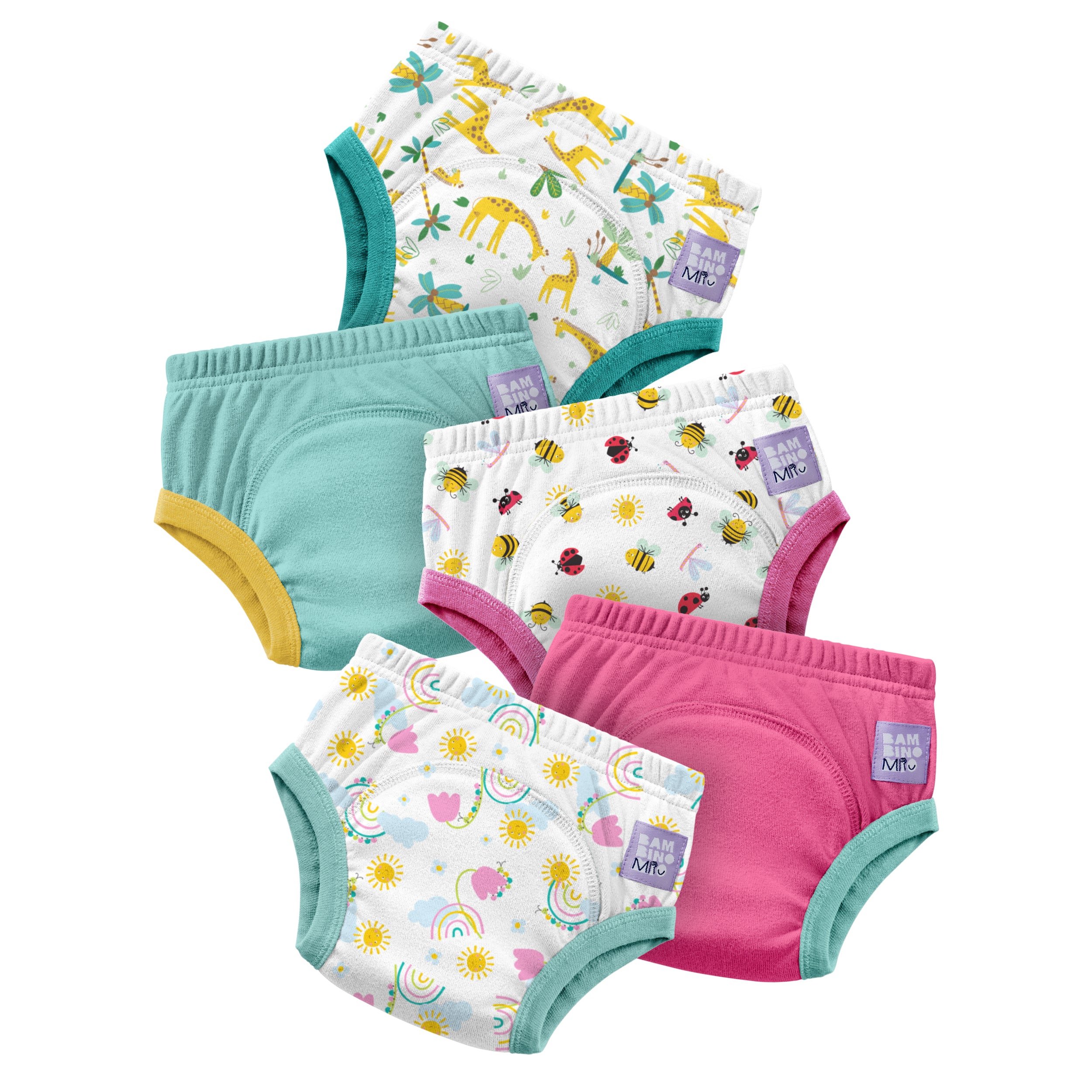
NEU Wiederverwendbare Töpfchen-Trainingshosen – Premiummodell

Single

3 Pack

5 Pack
NEU Wiederverwendbare Töpfchen-Trainingshosen – Premiummodell
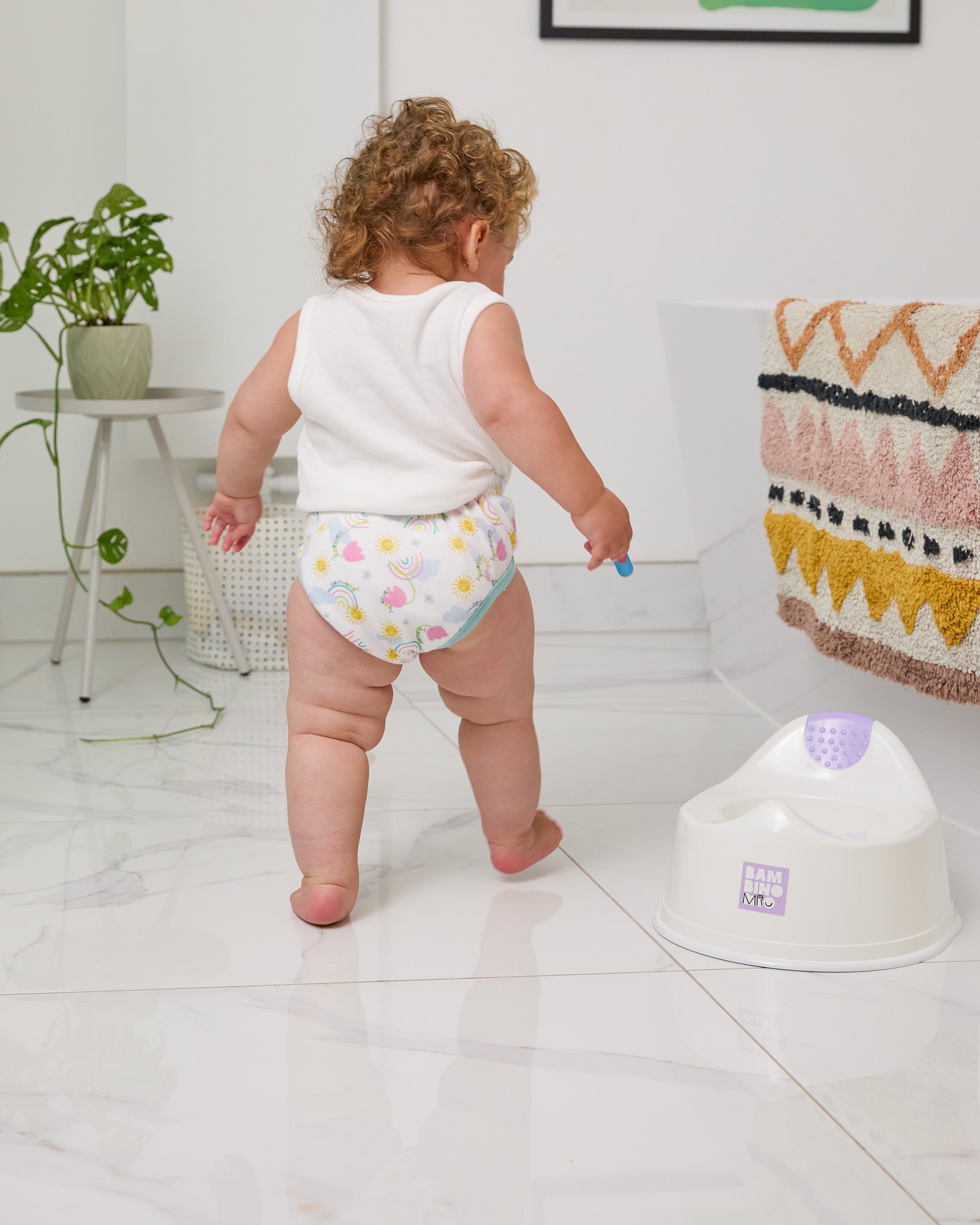
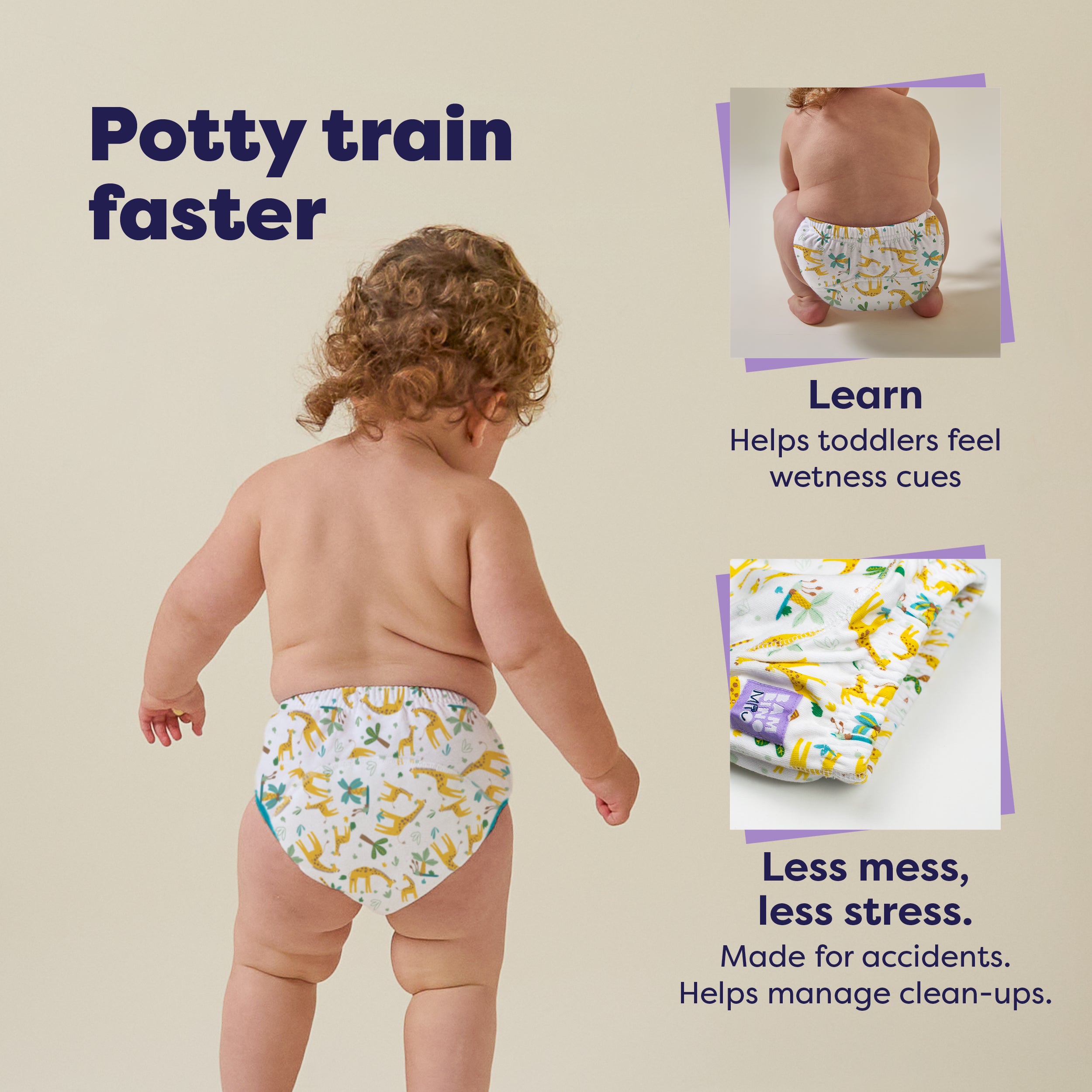
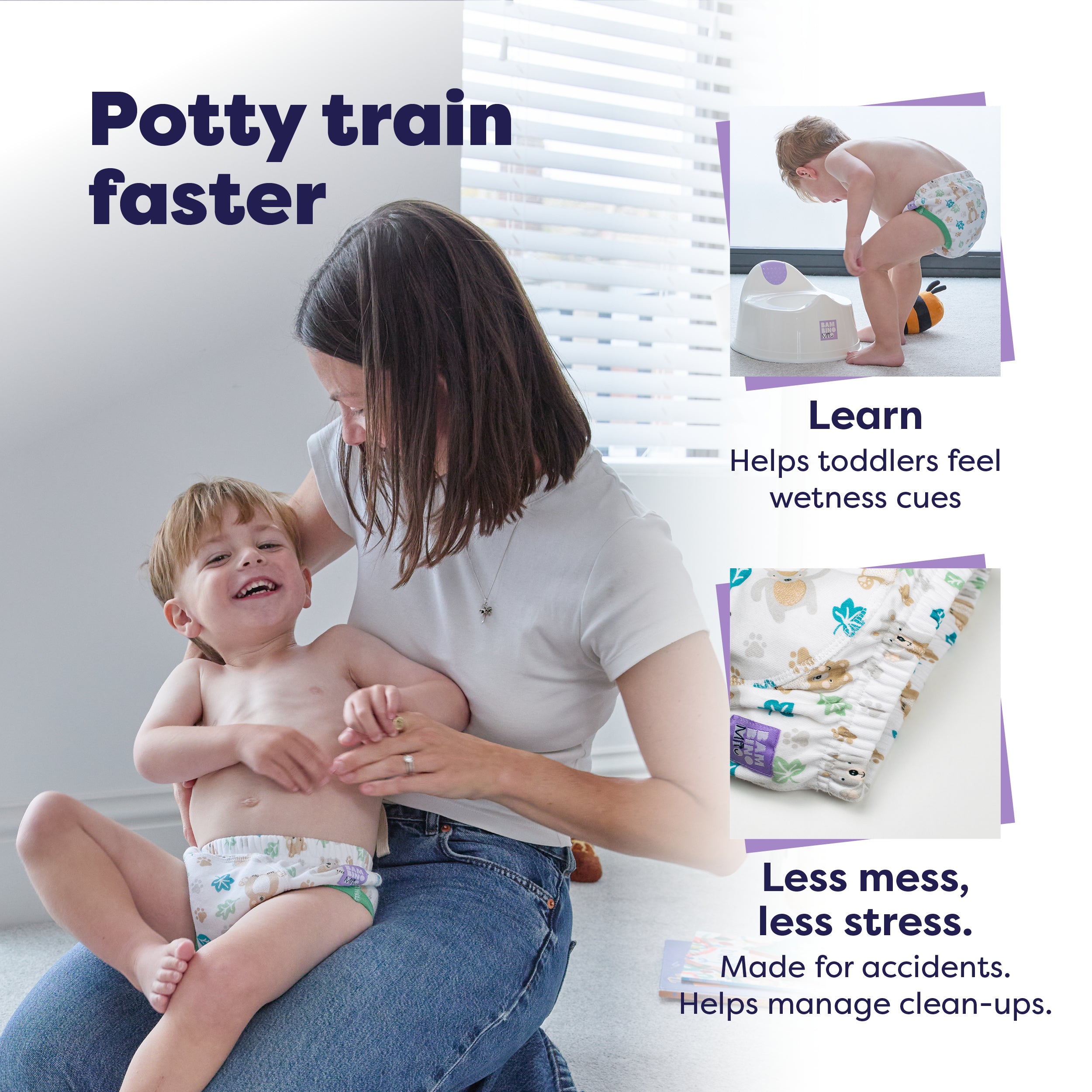
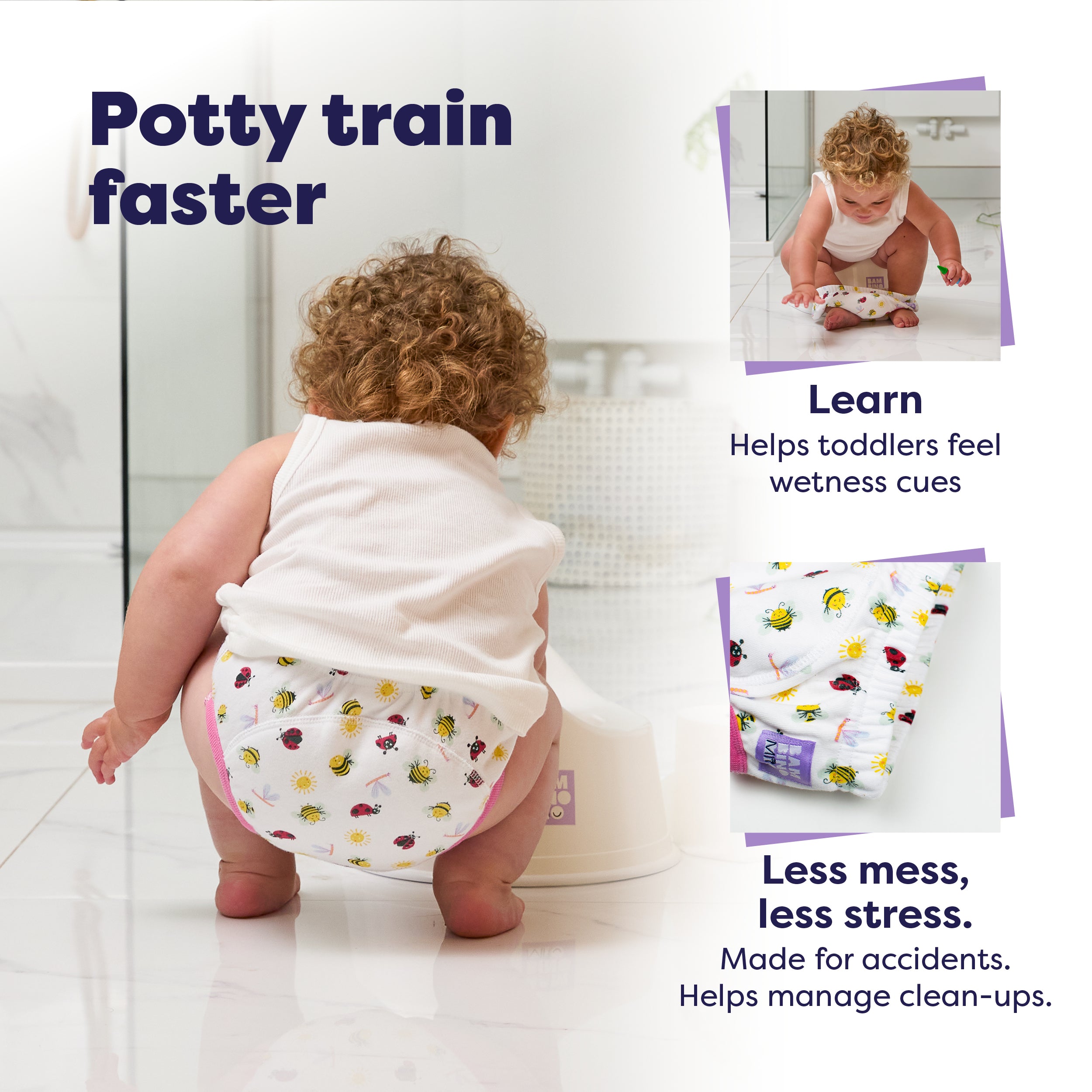
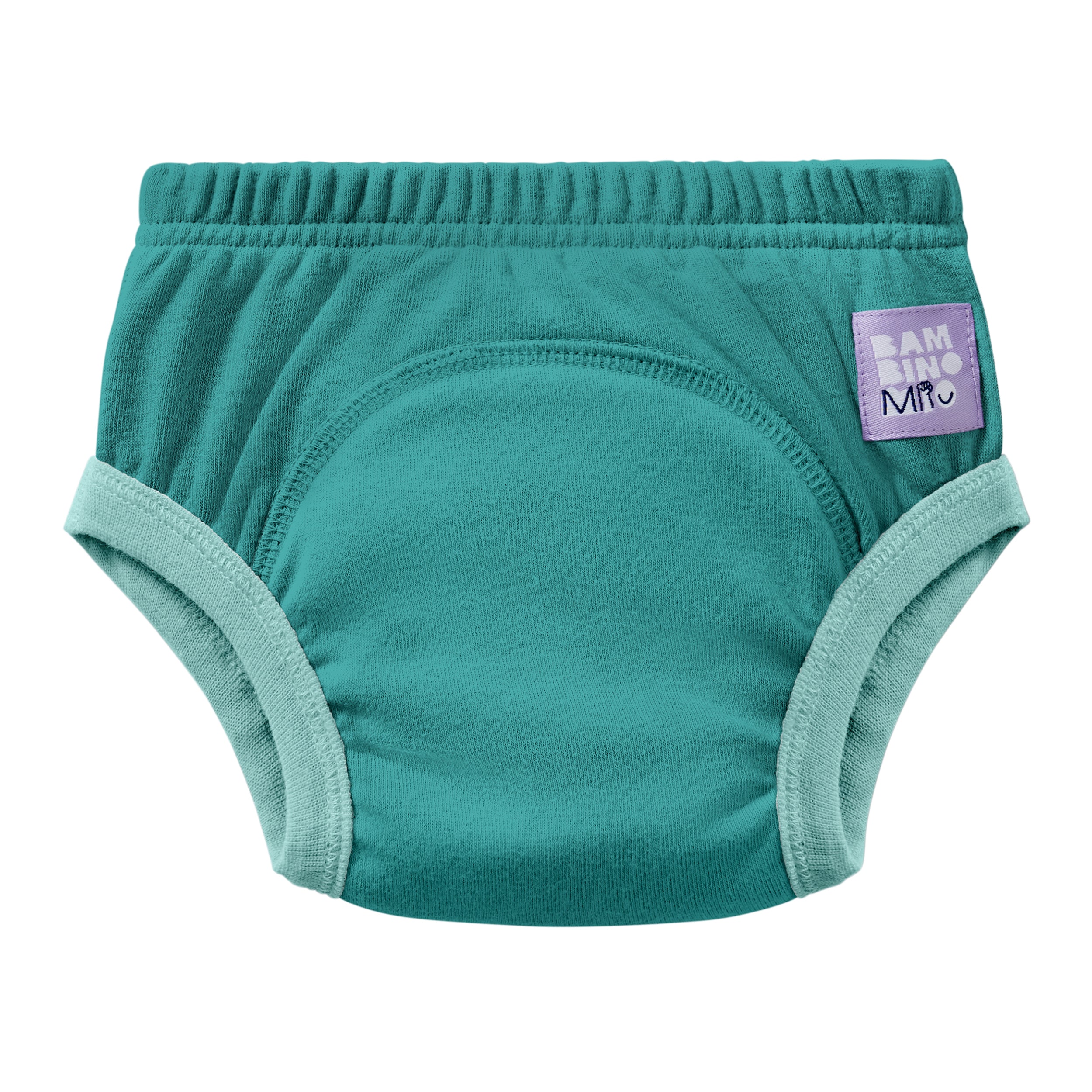
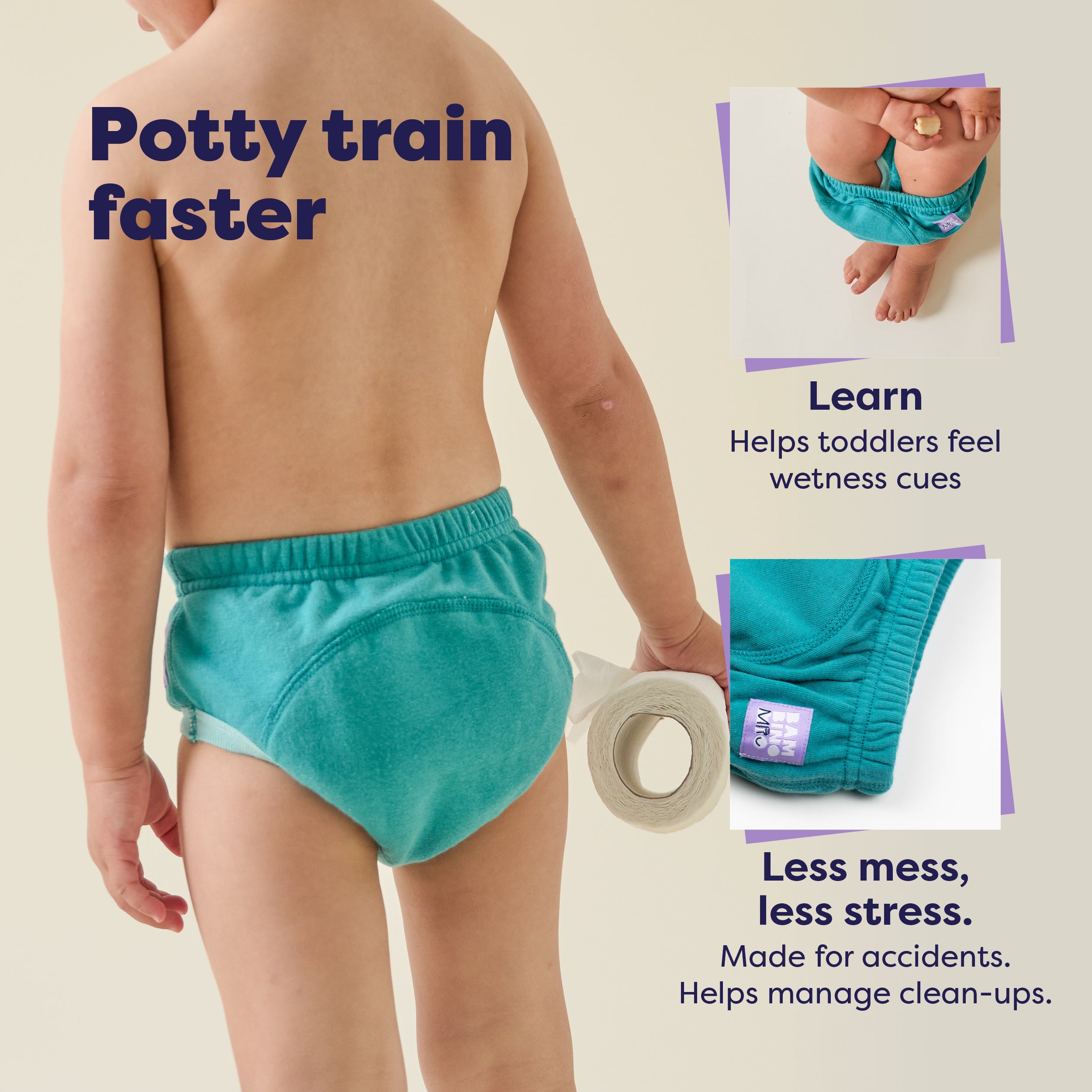
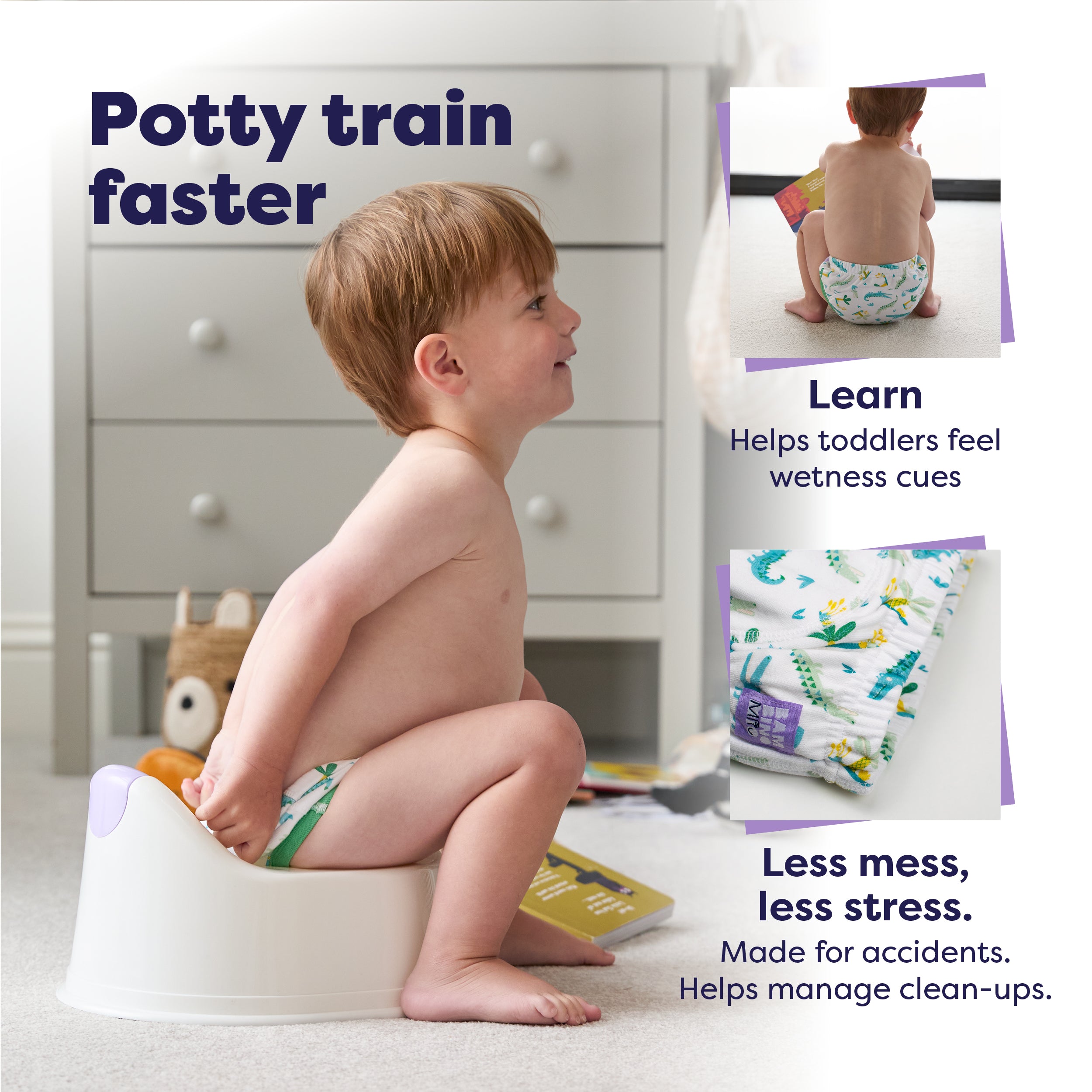
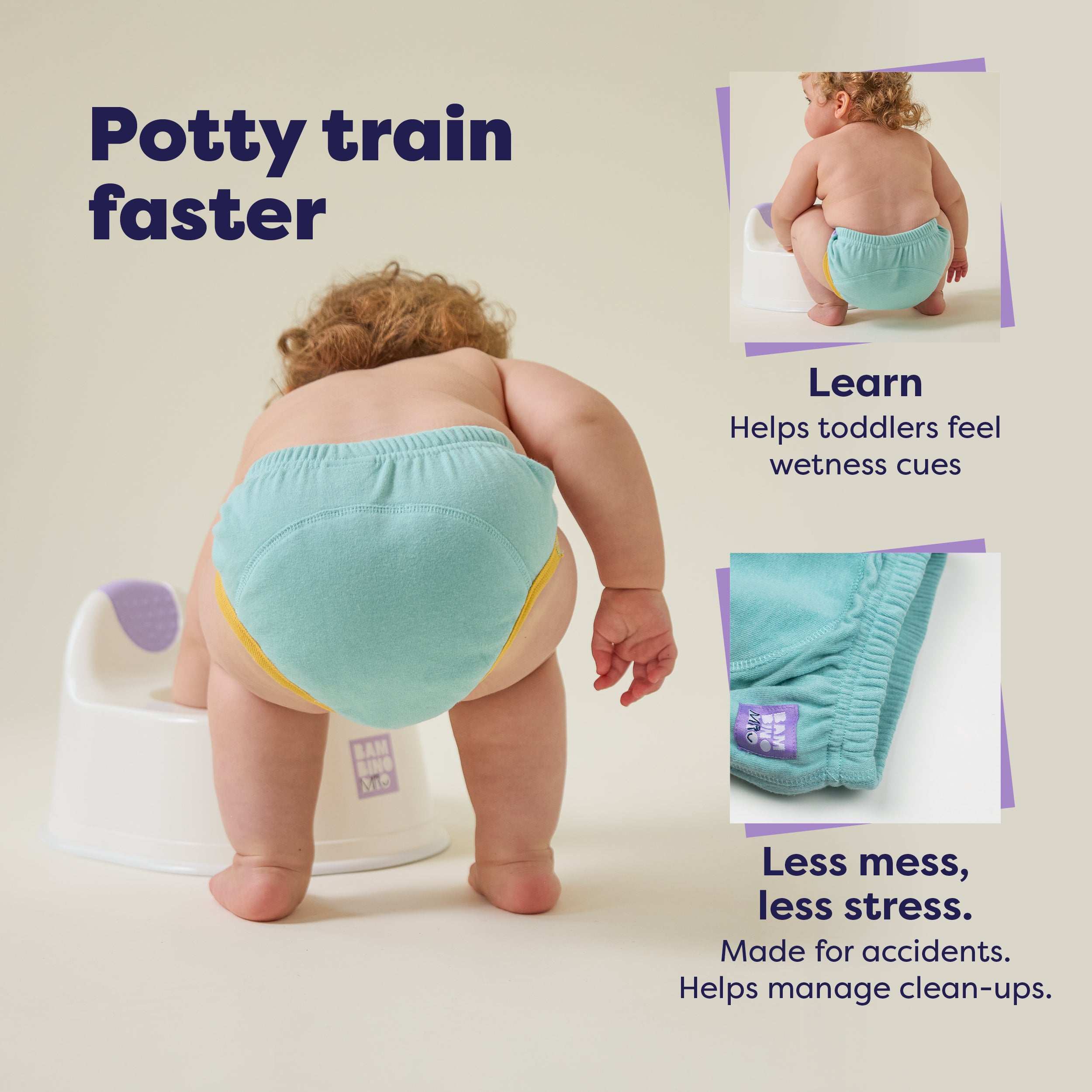
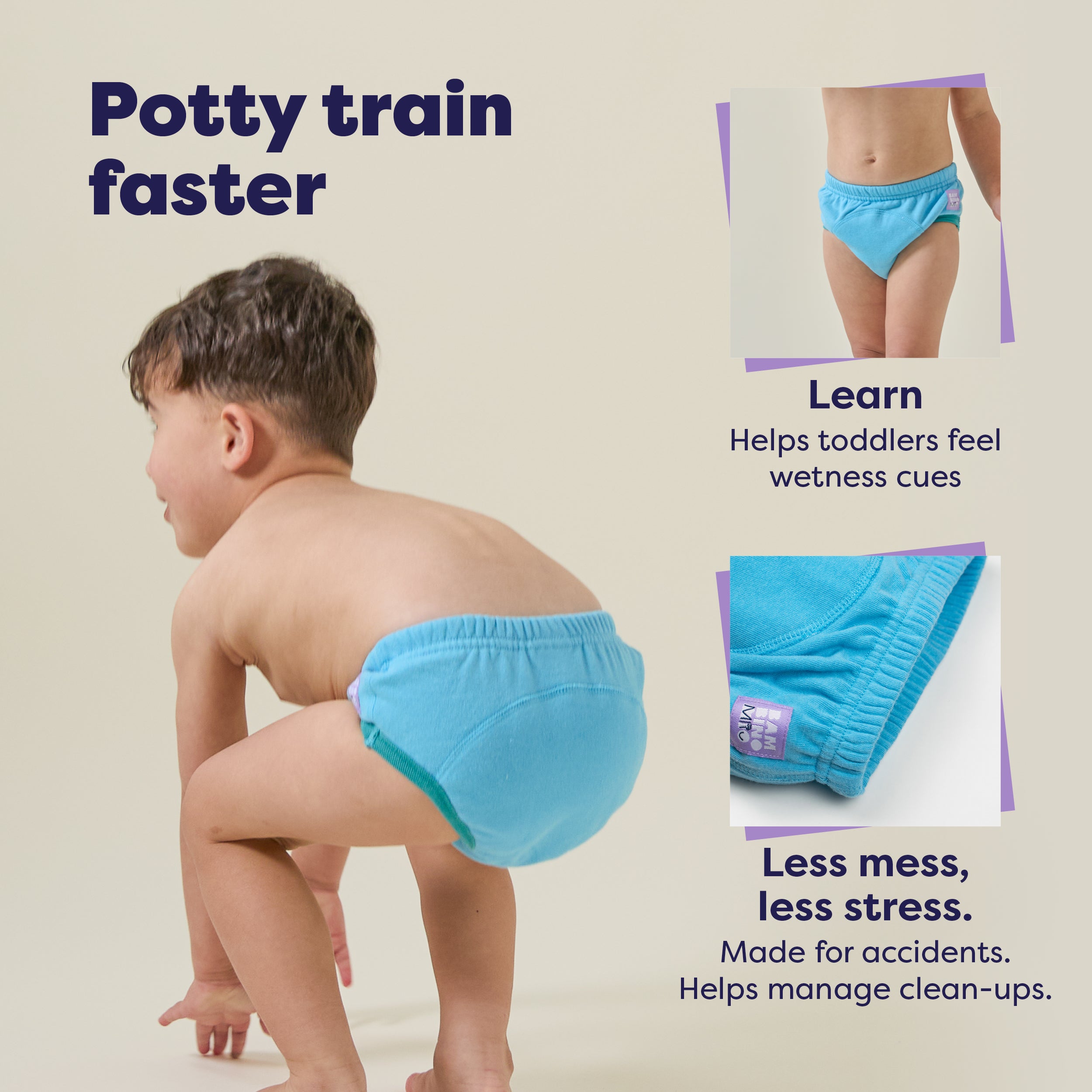
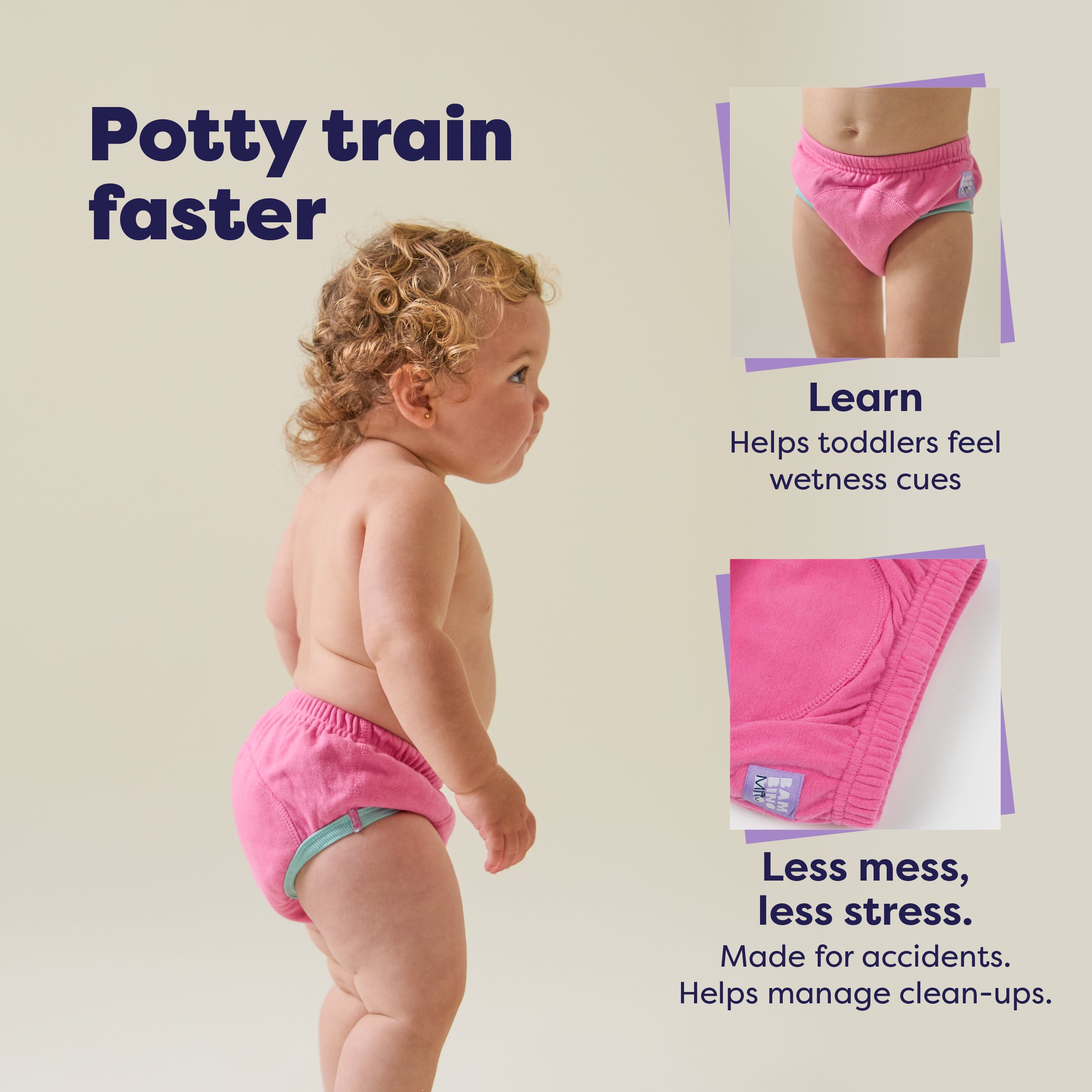
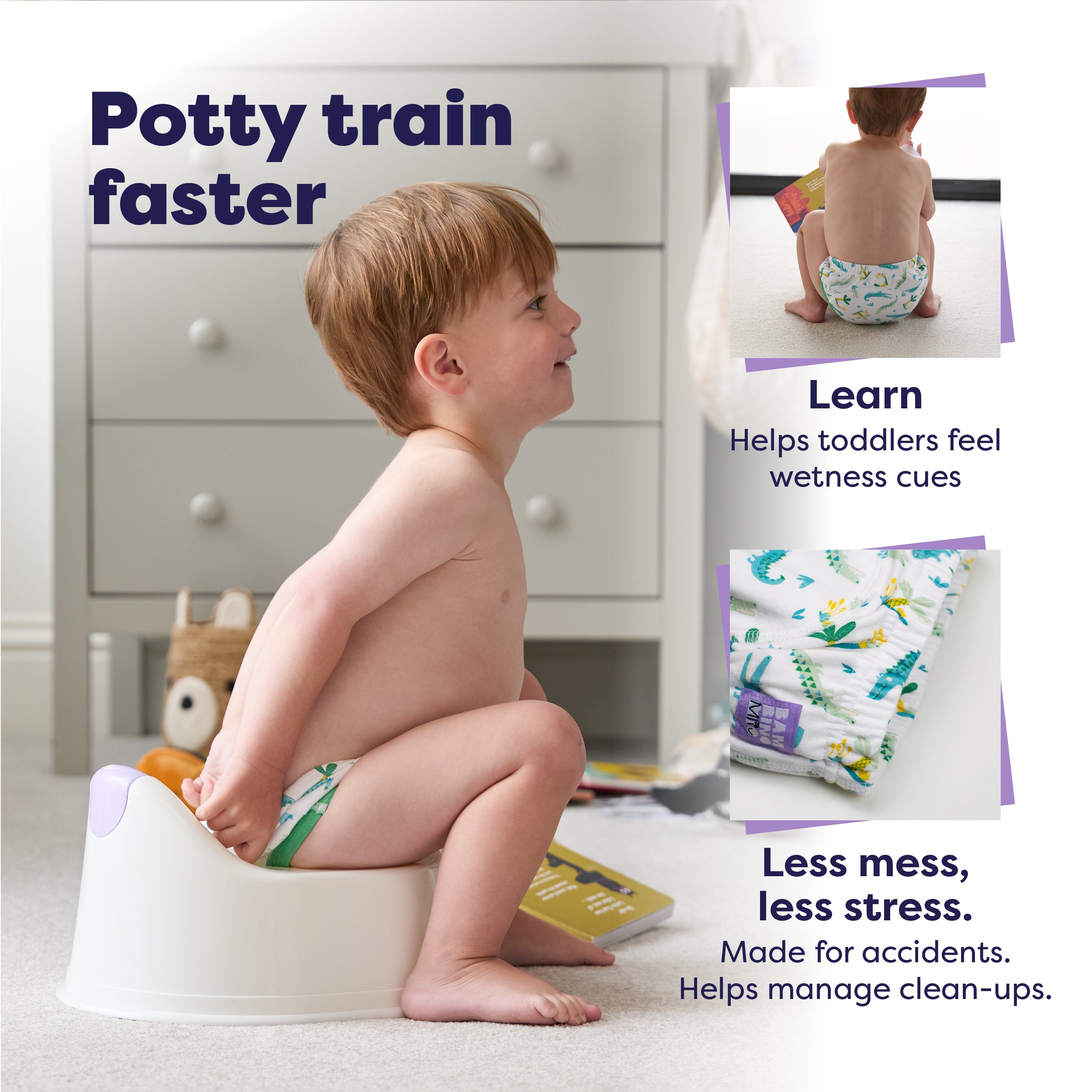
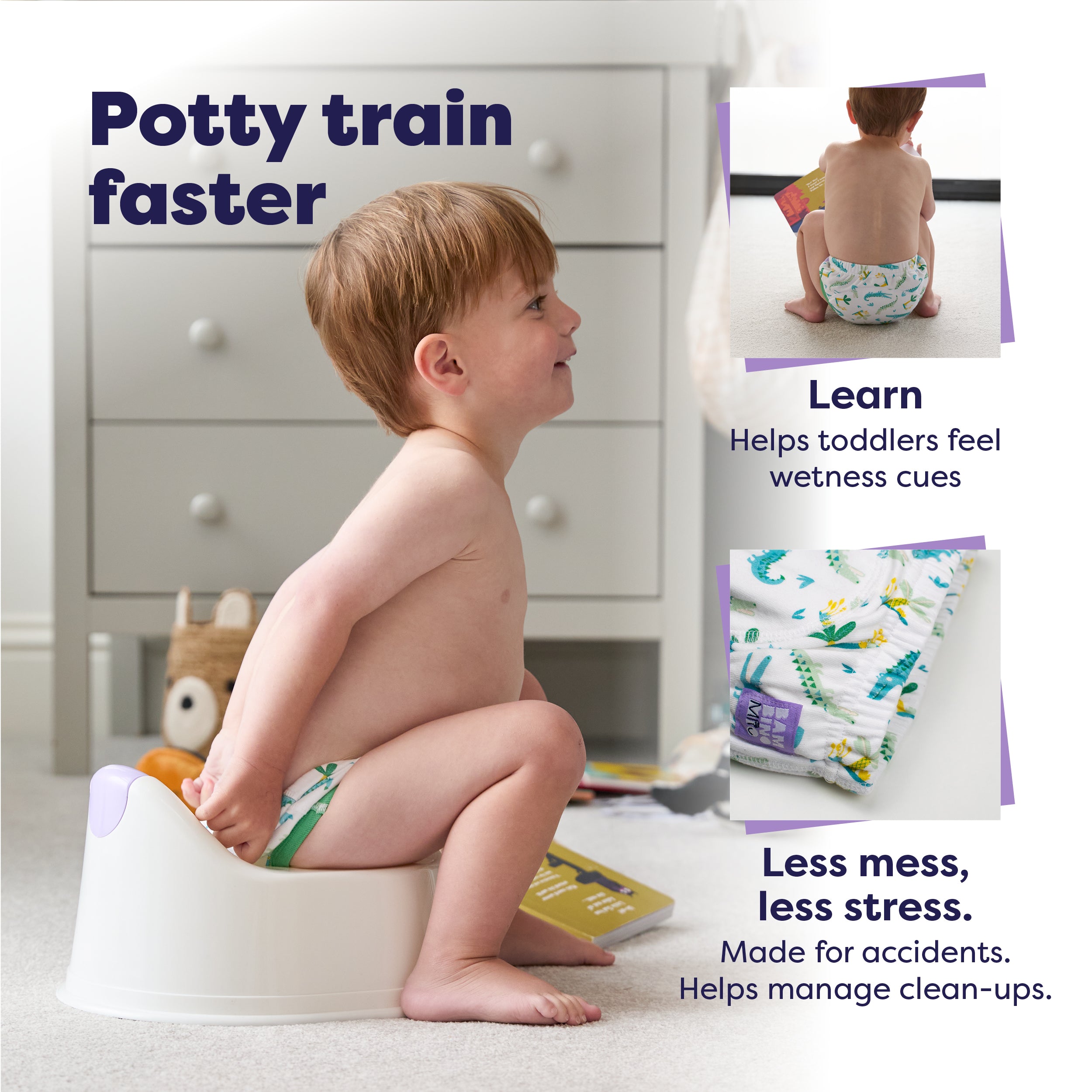
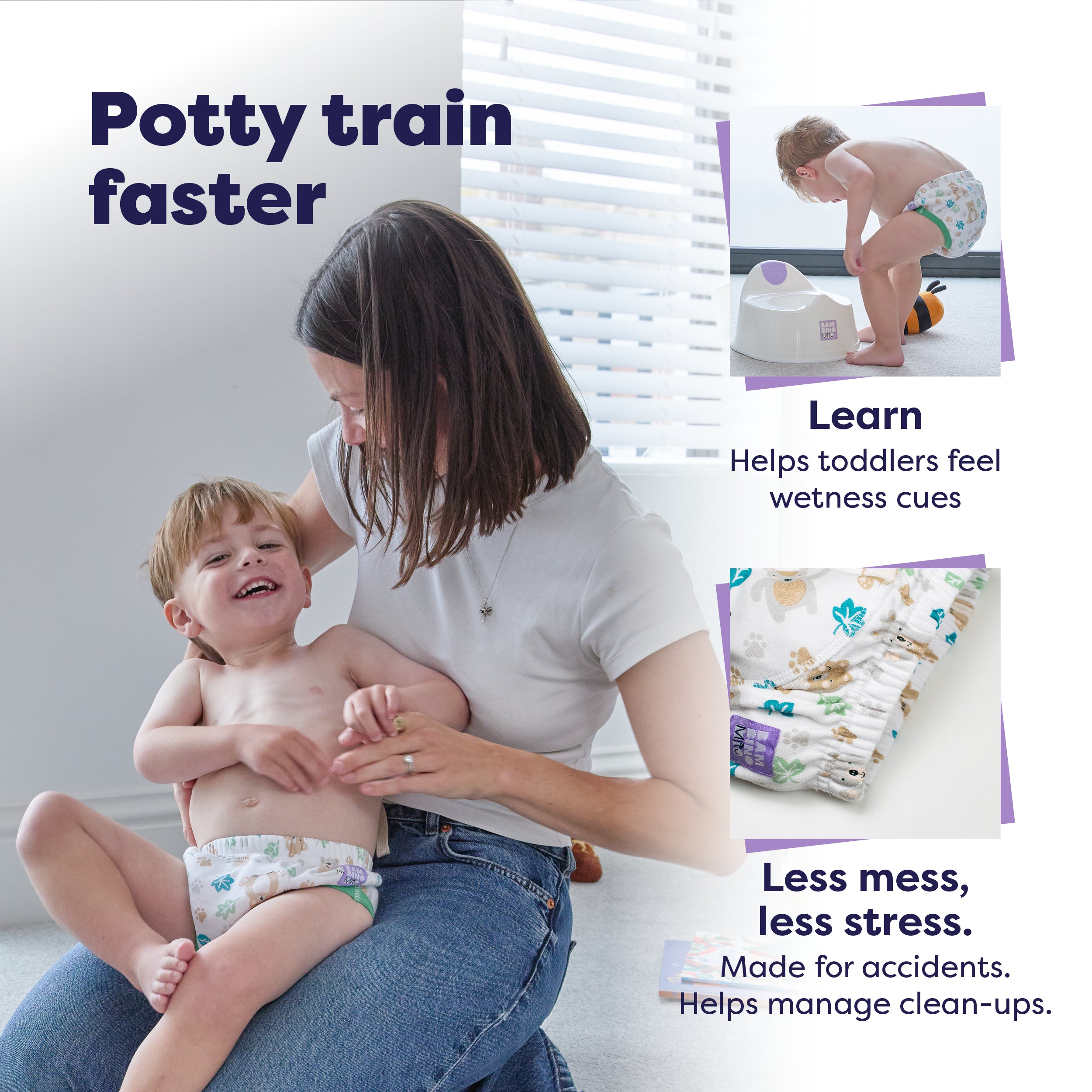
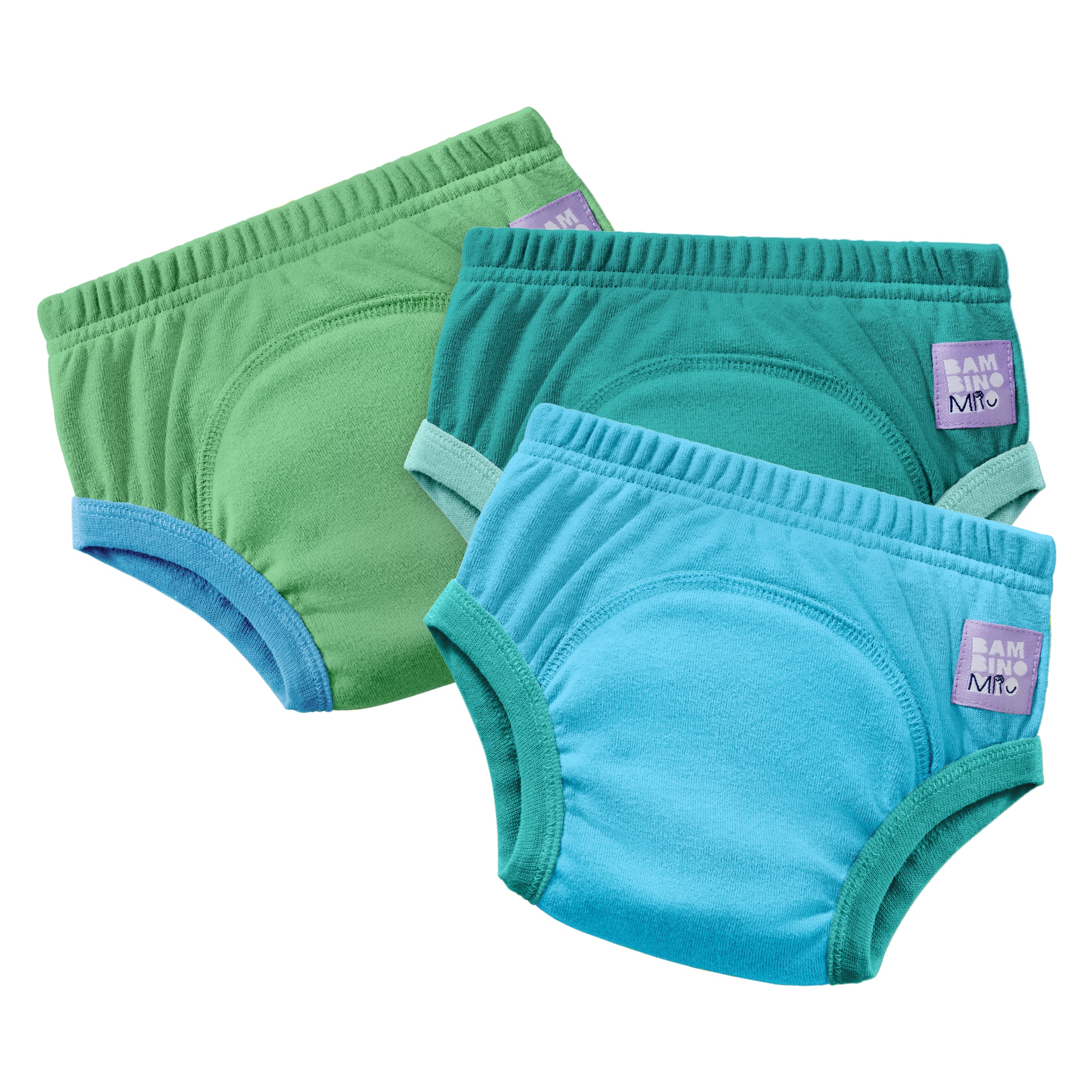
Unterstütze dein Kind beim Töpfchentraining mit unseren preisgekrönten, wiederverwendbaren Trainingshöschen, die Selbstvertrauen fördern und dabei zu weniger Abfall durch Einweg-Pull-ups beitragen. Unsere besten Töpfchen-Trainingshosen bisher. 100 % Baumwollkern für verbesserte Saugfähigkeit, fest eingenähter Kern und unsere bisher bequemste Passform.

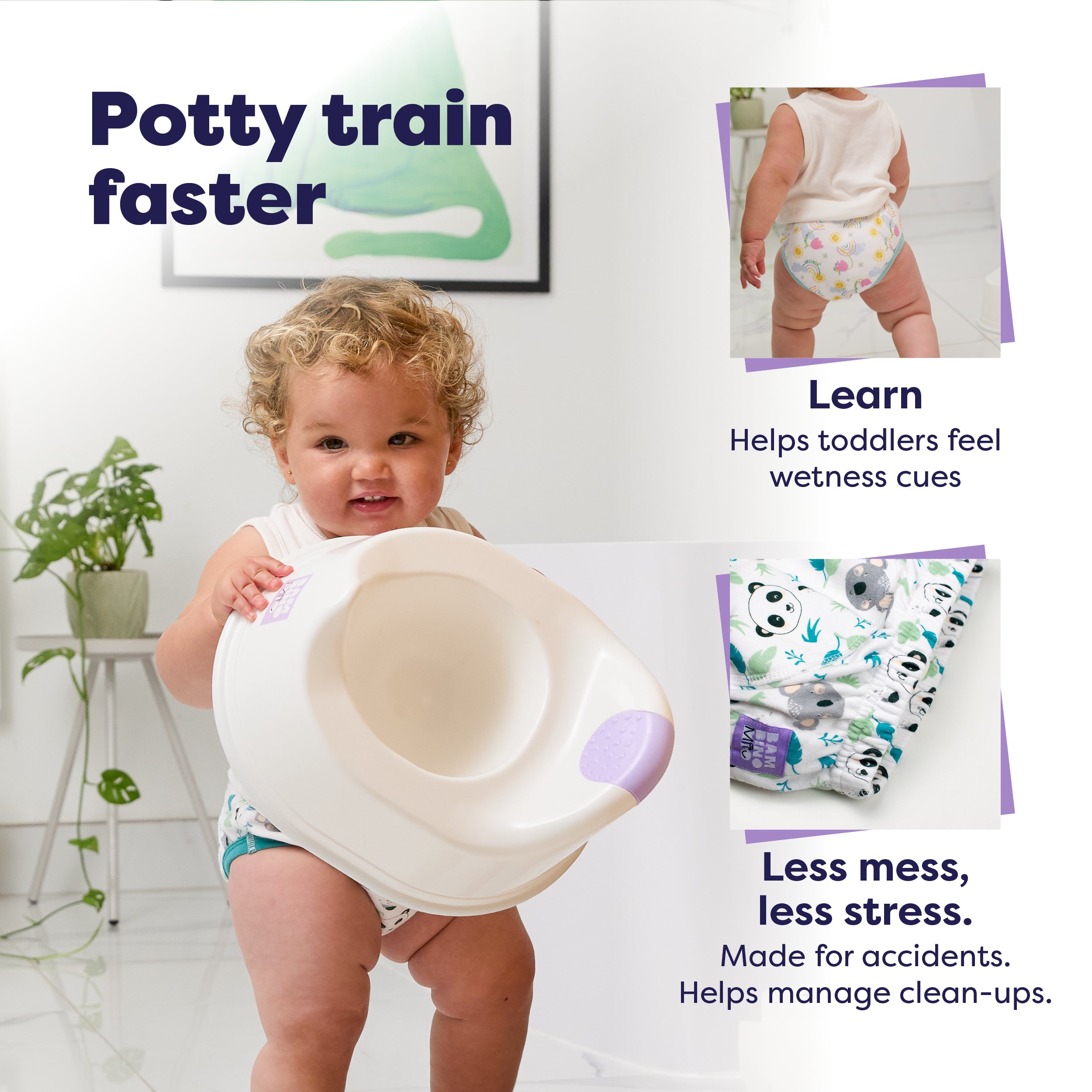


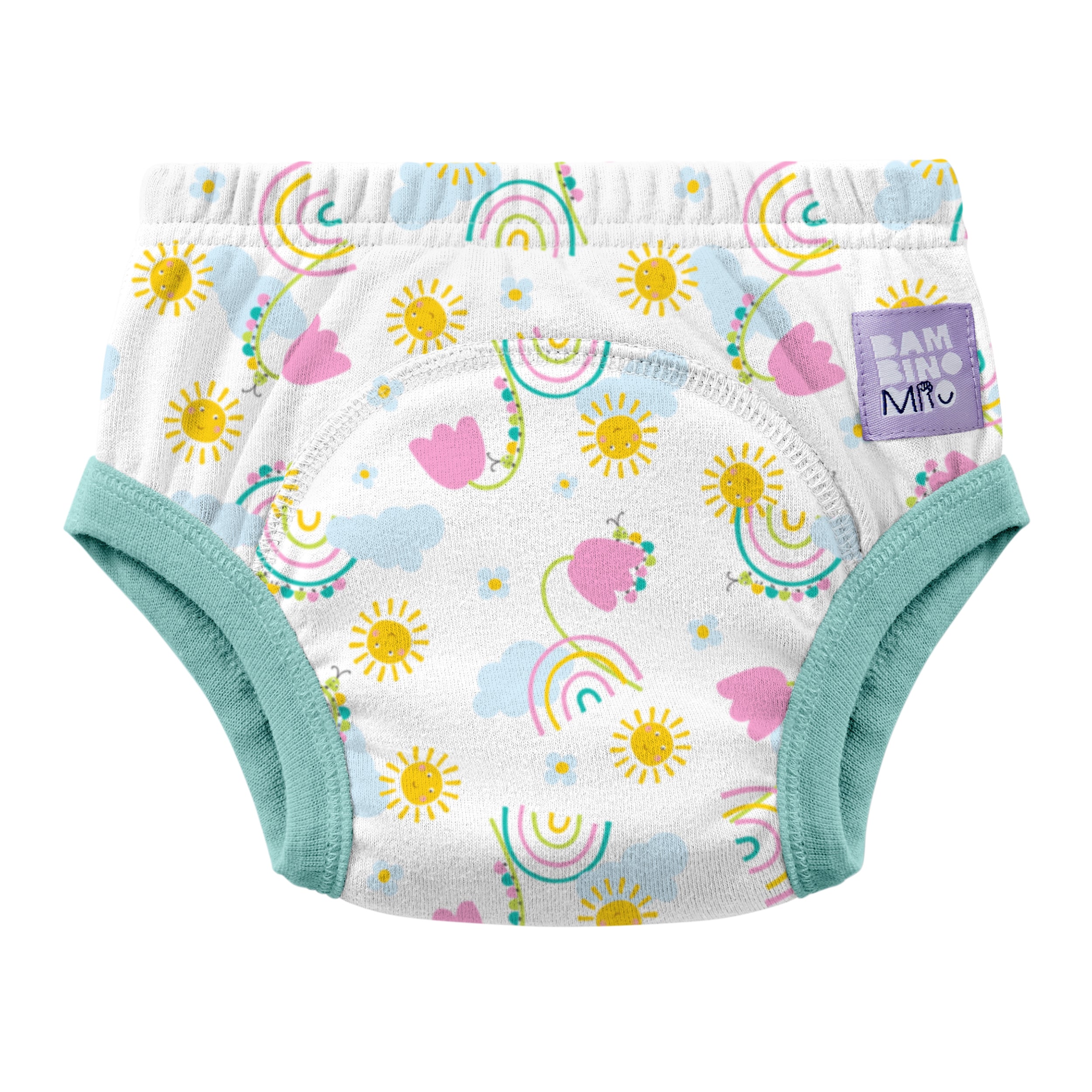
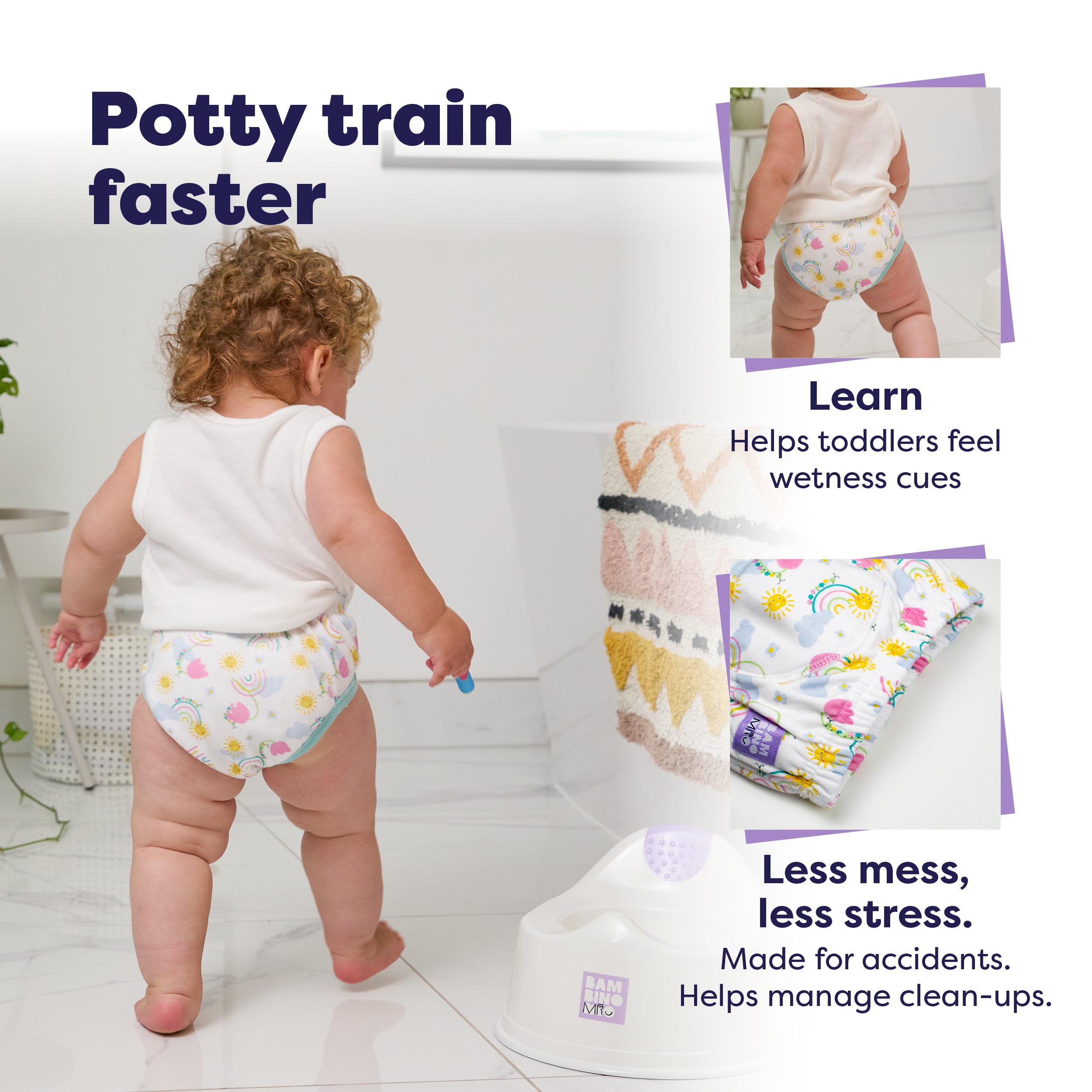









NEU 3er-Packung Wiederverwendbare Töpfchen-Trainingshosen – Premiummodell
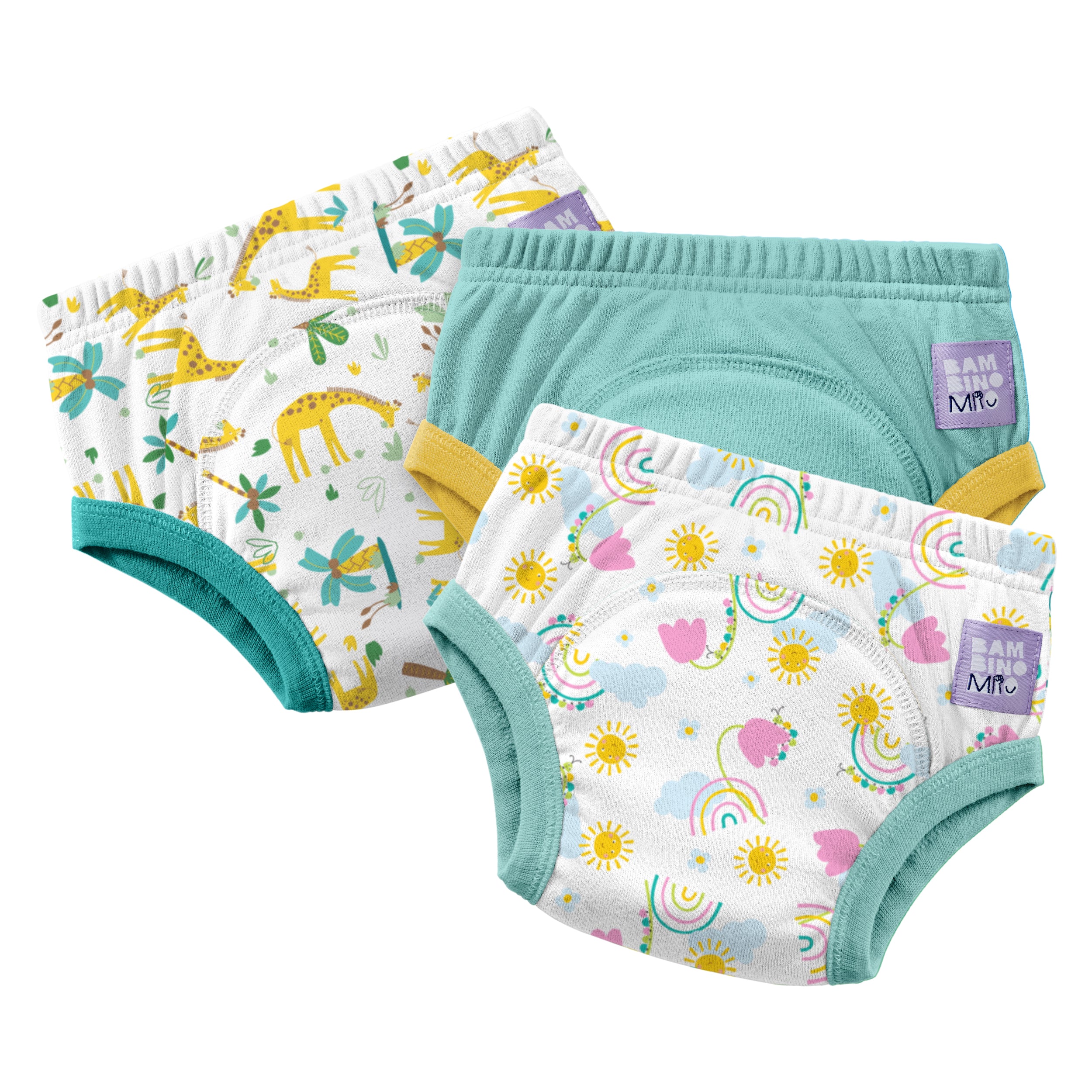
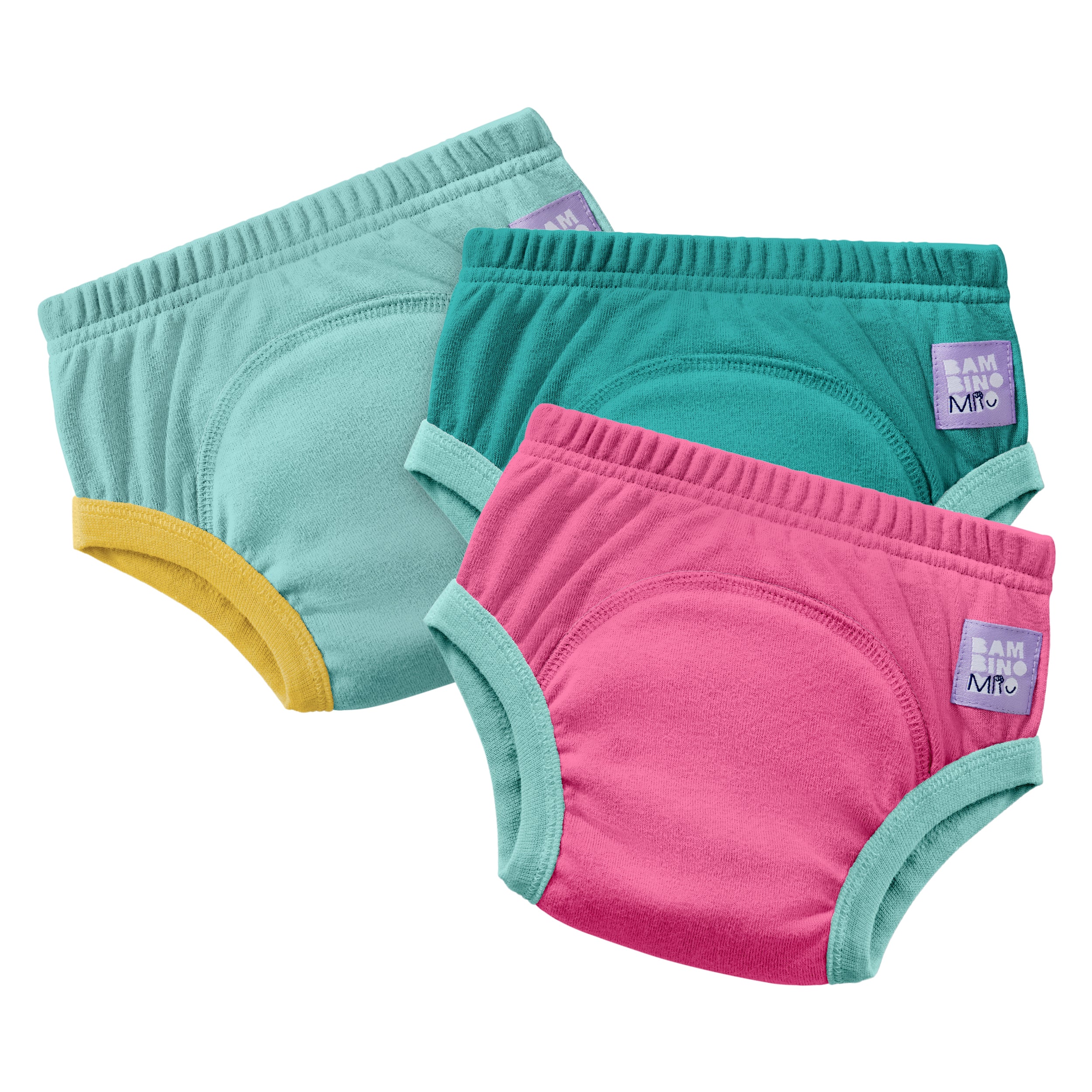
Unterstützt Kinder beim Töpfchentraining mit unseren preisgekrönten wiederverwendbaren Trainingshöschen – jetzt im praktischen 3er-Pack, damit immer ein trockenes Paar griffbereit ist. Unsere besten Töpfchen-Trainingshosen bisher. 100 % Baumwollkern für verbesserte Saugfähigkeit, fest eingenähter Kern und unsere bisher bequemste Passform.





Neu: Wiederverwendbare Töpfchen-Trainingshose, 5er-Packung
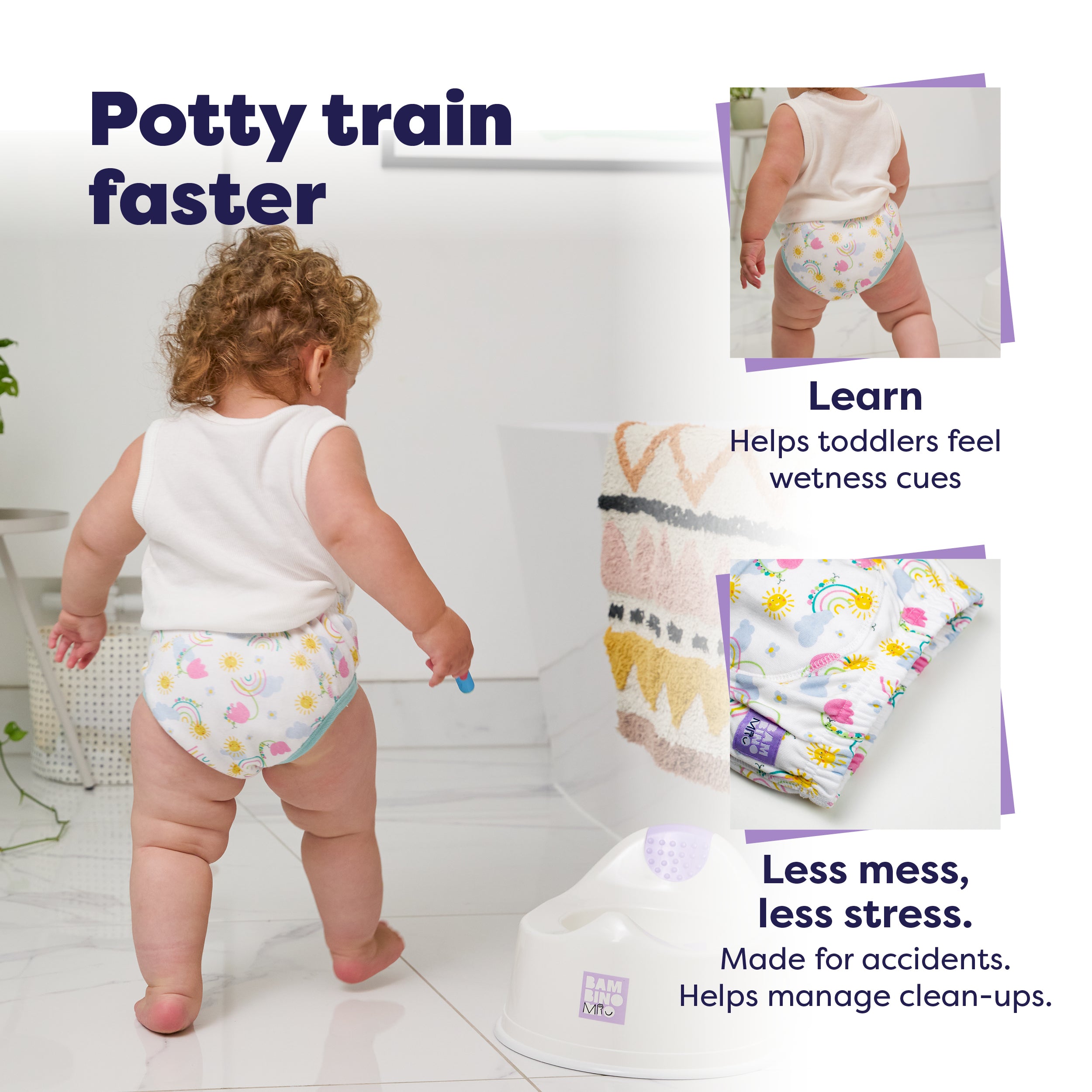
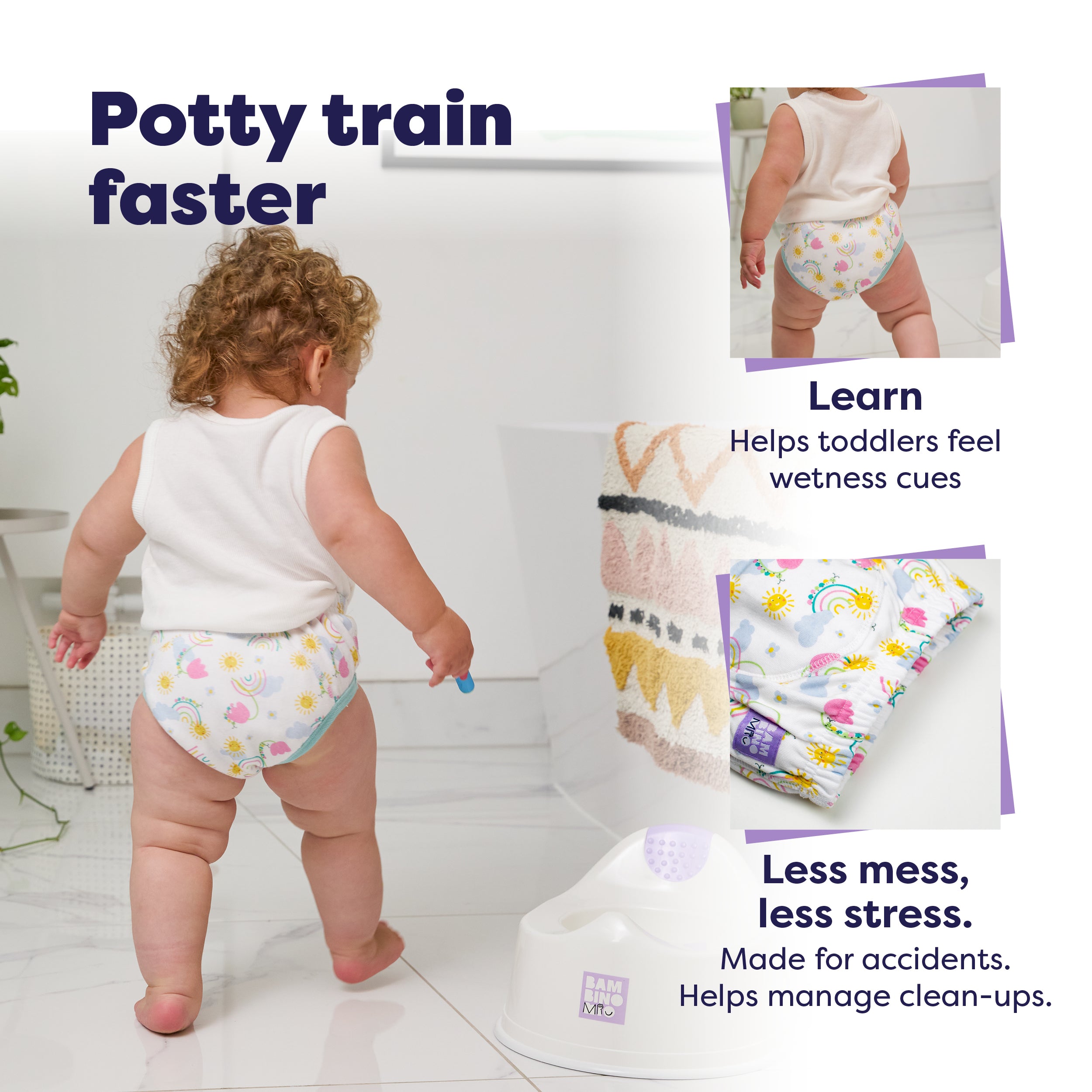
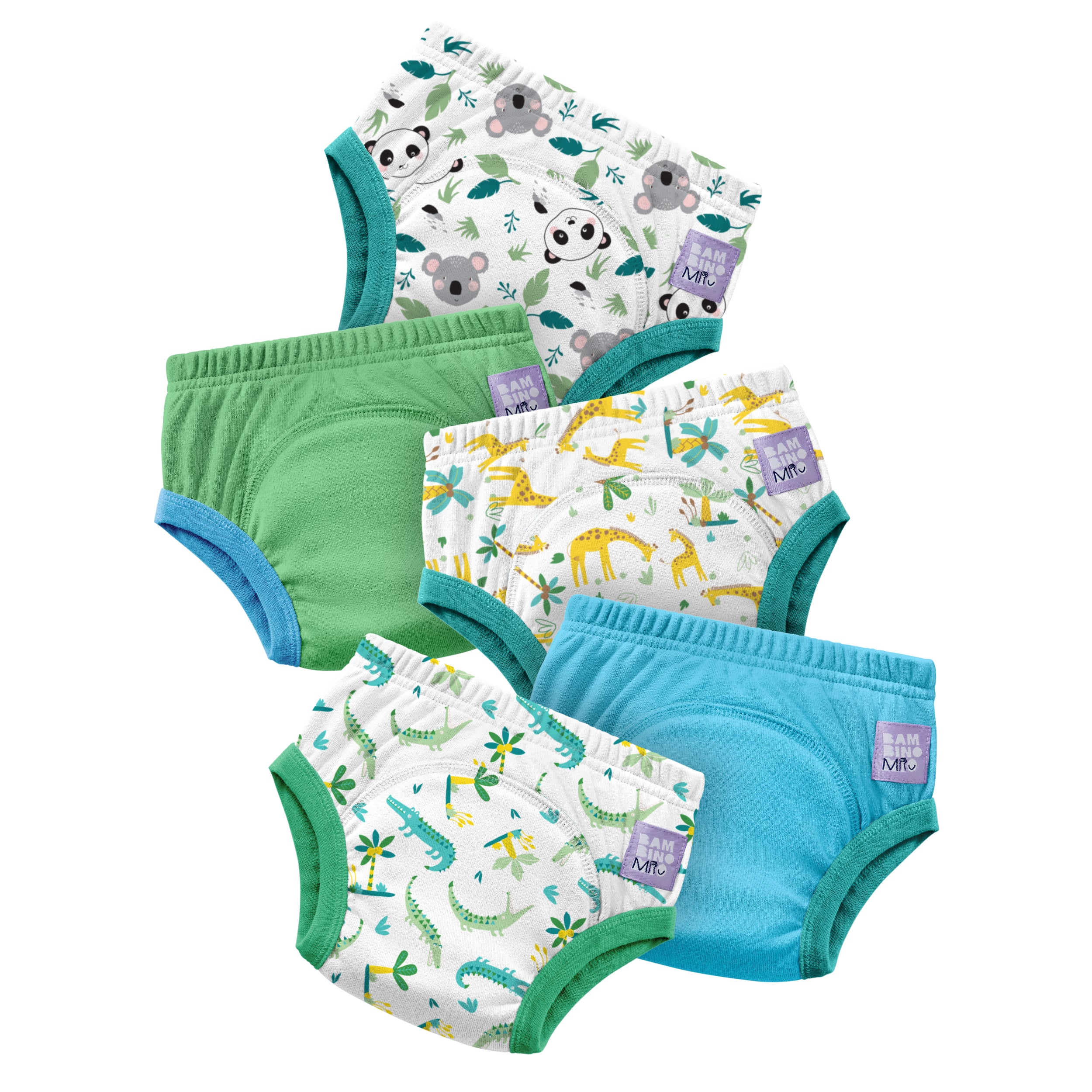
Ein preiswertes 5er-Pack, damit du für hektische Tage beim Töpfchentraining immer gerüstet bist. Unsere bisher besten Töpfchentrainingshosen. Ein Kern aus 100 % Baumwolle für verbesserte Saugfähigkeit, ein fest eingenähter Kern und unsere bisher bequemste Passform.


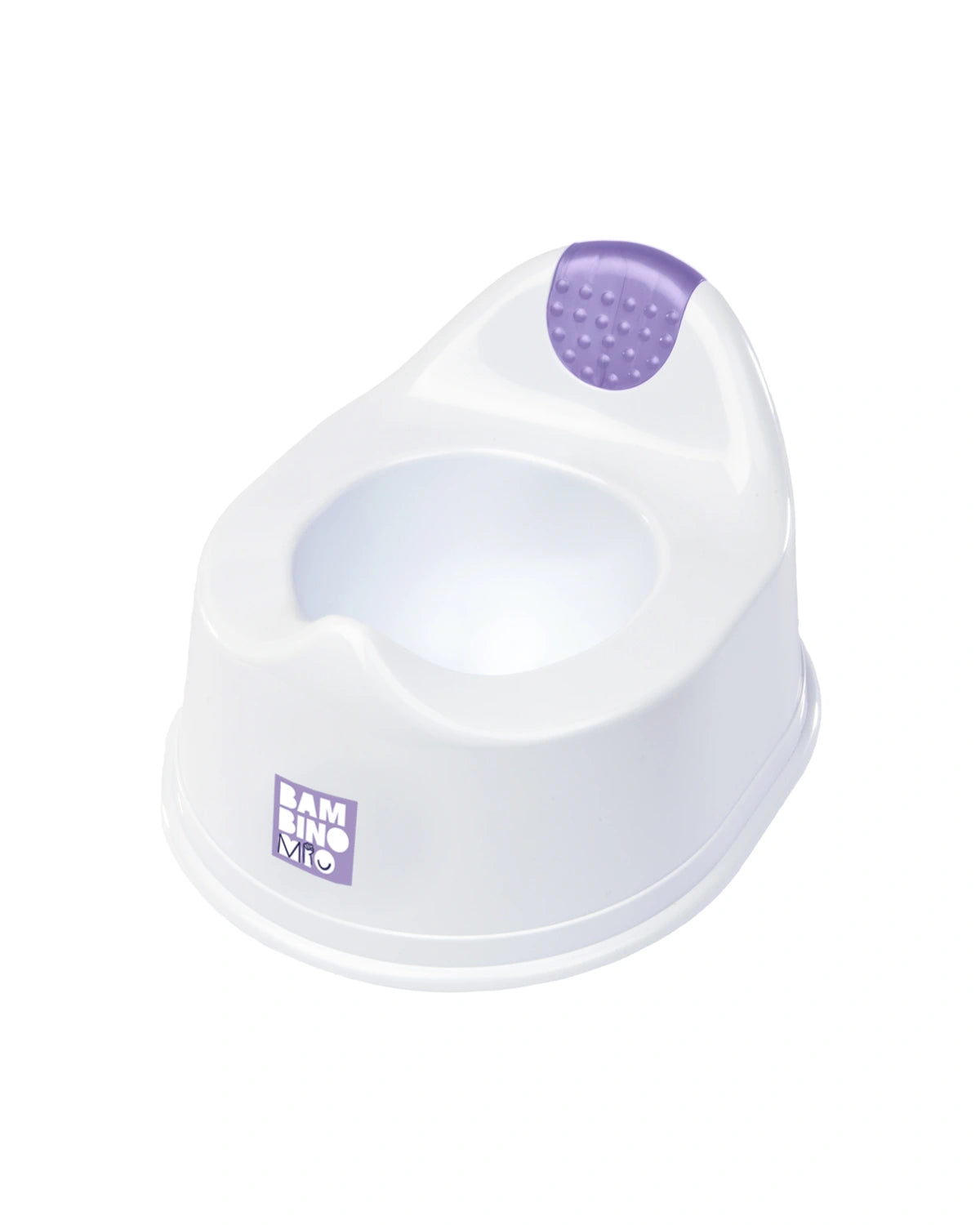
Töpfchentraining Zubehör
Praktisches Zubehör für jede Phase des Töpfchentrainings.






FAQs
Potty learning doesn’t need to wait for a long list of “readiness signs."
Instead, think of potty training as a parent-led learning process — similar to introducing solid foods or helping your child learn to walk. Most children can begin exploring the potty from around 18–24 months, or earlier if you’d like to start gentle practice.
Look for natural cues, not milestones:
- Do they pause or look focused before doing a wee or poo?
- Do they shift their weight, hide, or go still?
- Do they wake from naps with a partially dry nappy?
- Do they show awareness of being wet or dirty?
- Are you ready to guide them?
Your child doesn’t need to talk about the potty, pull their own trousers up, or stay dry for hours to begin learning. With your gentle guidance and the chance to feel when they’re wet, they’ll quickly start to recognise their body’s signals.
Disposable nappies and pull-ups are designed to keep children feeling dry — which is great for comfort, but not for learning. When children can’t feel the moment they wee, it becomes harder for them to understand their natural cues.
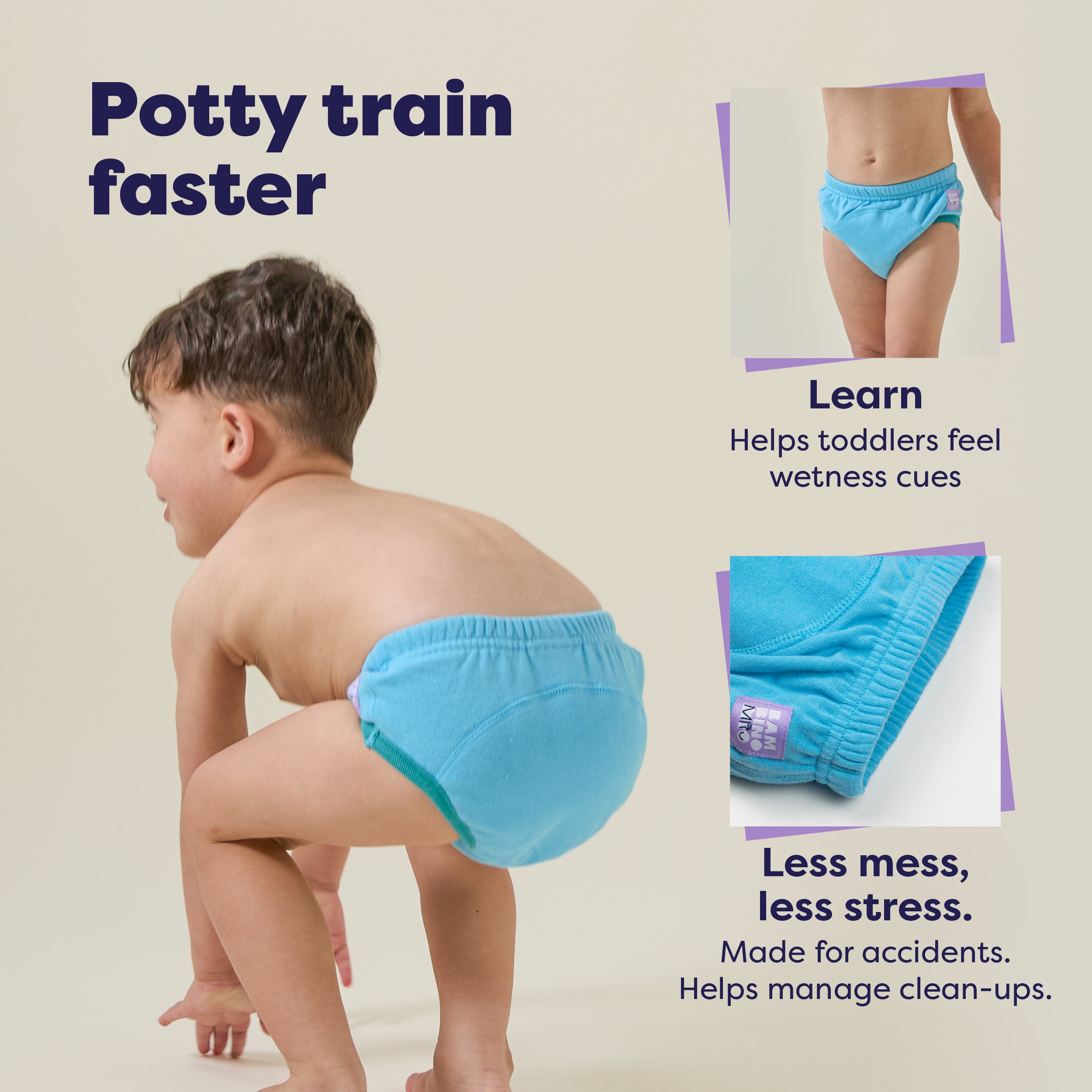
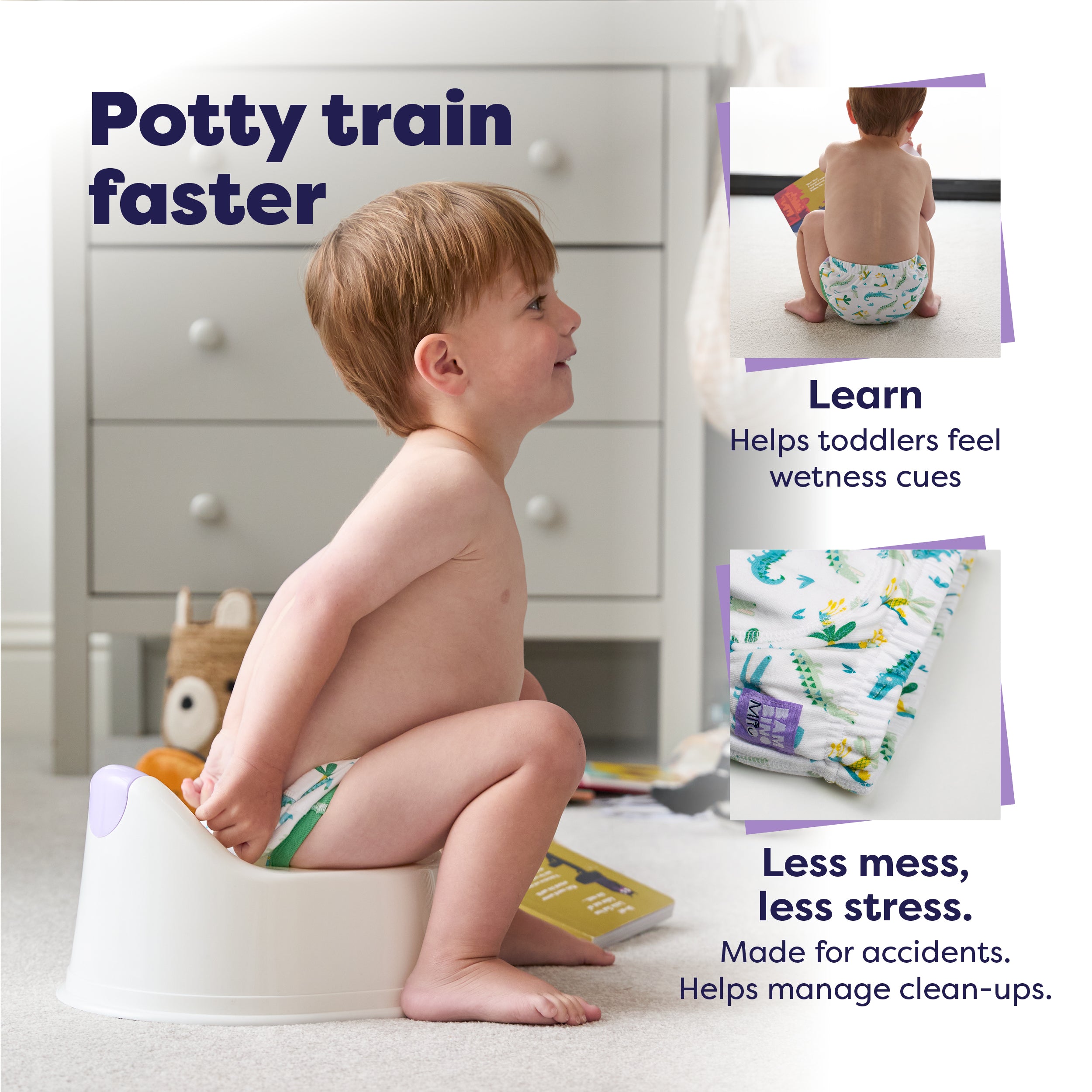
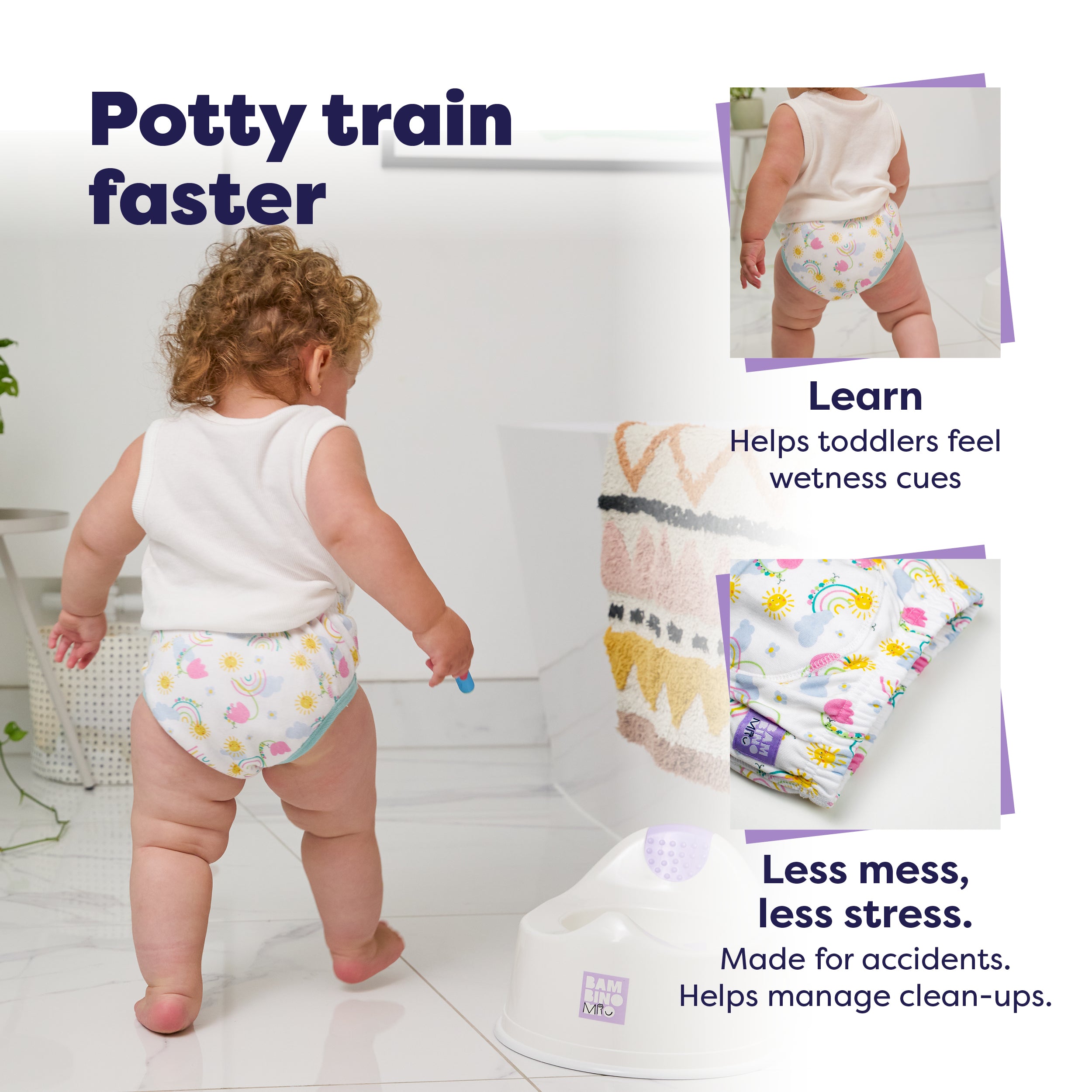
Our reusable potty training underwear allows your child to feel a small amount of wetness, helping them:
- Connect the “I’m about to wee” sensation with the outcome.
- Understand what their body is telling them.
- Learn faster and with fewer setbacks
Become confident and independent
This is a crucial part of potty learning and one of the reasons children often train more quickly in reusable pants than in ultra-absorbent disposables."
Start with simple, low-pressure routines that connect your child to the potty from early on:
Keep a potty accessible in the rooms where you spend the most time.
- Let your toddler sit on the potty at natural times: upon waking, before/after meals, before bath time.
- Use language like “wee goes in the potty” to make the idea familiar.
- Try short, regular potty sits — even fully clothed at first.
- Switch from nappies to our potty training pants when you’re ready to begin more focused learning.
- Help your child notice the feeling of being wet and talk gently about what that means.
At first, staying close to home can make the process easier, but children adapt quickly once the connection between sensation and action begins to develop.
Yes! Many families begin gently introducing the potty from a very young age — even with babies. This is sometimes known as elimination communication (EC), where parents learn to recognise their baby’s natural signals and offer the potty at times they’re likely to go.
Babies are far more aware of their bodily sensations than we often assume. With a little consistency, they can quickly start to connect the feeling of needing to wee or poo with the potty. Think of your nappy or potty training pants as a back-up layer while you learn together.
Early potty learning can be a very gradual, low-pressure routine. Simple steps like offering the potty after waking, after feeding, or during nappy-free time help build familiarity long before “traditional” potty training ages.
Our overall guidance?
Start as early as you feel comfortable. Small, consistent habits, at any age, help build body awareness and make full potty training much easier later on.
Yes, recent studies suggest that using reusable cloth nappies or washable training pants as part of your routine can support earlier potty learning.
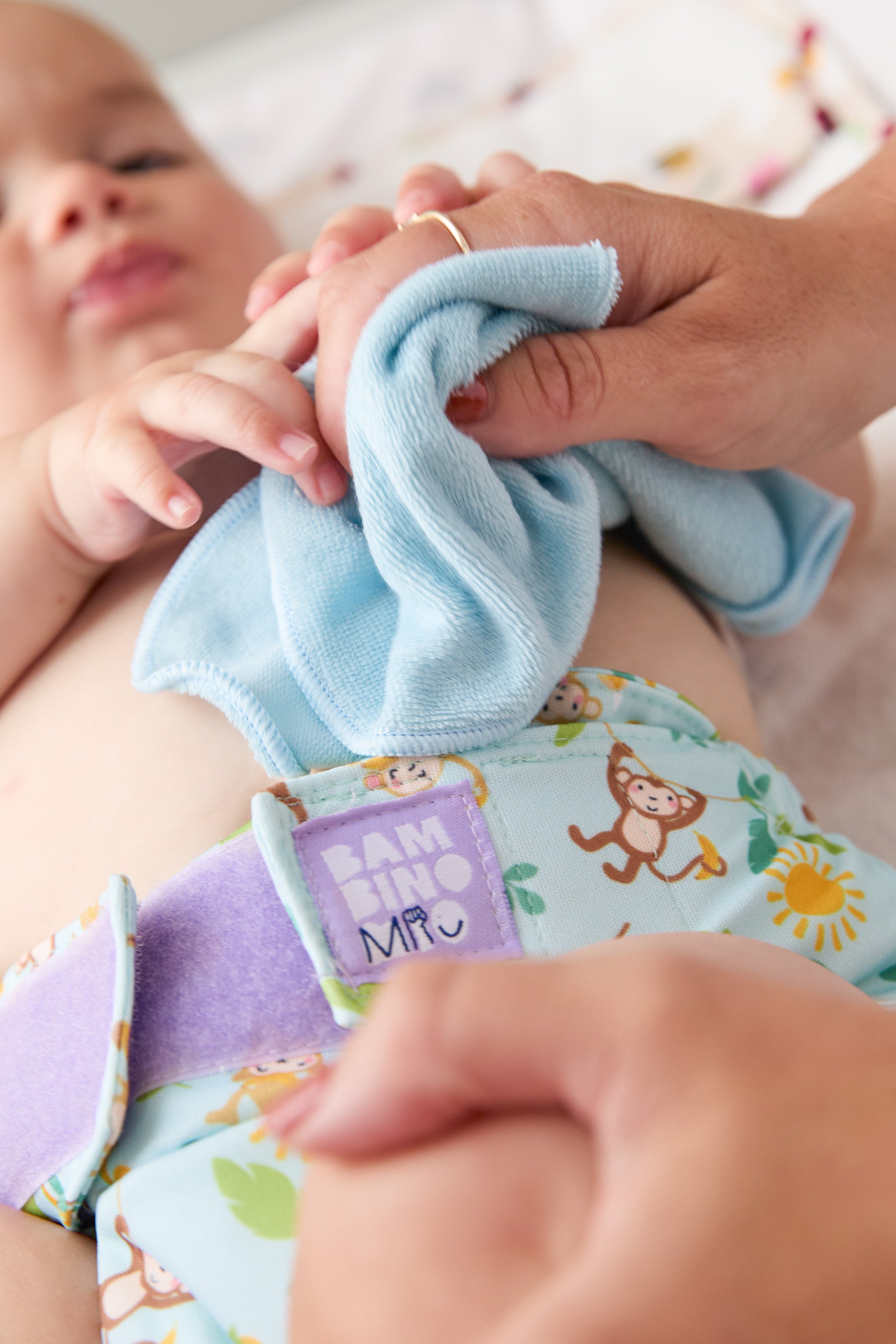
Reusable nappies allow children to feel a natural degree of wetness, helping them connect the sensation of needing to go with what happens next. Disposable nappies and pull-ups contain super-absorbent, stay-dry chemicals that keep children feeling dry through their potty learning years — which often delays the learning process.
Reusable nappies and potty training pants support:
- Earlier body awareness
- Faster recognition of cues
- A smoother transition to the potty.
- Reduced reliance on disposable pull-ups
Every reusable change helps.


