
How to Start Early Potty Learning with Baby Pottying
Let’s be honest, potty training advice can be confusing, and the term “elimination communication” doesn’t exactly make it any clearer. That’s why we’ve teamed up with Steph Elliot from Baby Pottying to break it all down. Baby pottying might sound a bit different (and sometimes even a little controversial), but at its heart it’s actually pretty simple. Just like getting to know your baby’s sleep or feeding patterns, it’s all about tuning in and finding what works for your family, at your own pace.
We're all about giving you all the facts up front and letting you decide what works for your family, so... over to Steph...
Baby Pottying
Written by Steph Elliott, founder of babypottying.co.uk
What is Baby Pottying?
Baby pottying, also known as Elimination Communication (EC) or early potty learning, is a gradual way to support your baby’s toilet awareness from an early age.
Many parents find they can observe patterns or cues that suggest when their baby needs to wee or poo, just as they learn to recognise signals for hunger or tiredness. Instead of relying solely on nappies you can offer the potty throughout the day and use nappies as a back-up. This builds your baby’s toilet skills gradually and comes with many benefits, such as:

When Can You Start?
You can start pottying your baby at any age. There’s no single “right” time to start, but whatever the age, start when you feel ready and at your own pace.
From birth to around 3 months is when babies’ natural toileting instincts and signals are strongest and is when parents will be closest to their babies to learn their rhythm and signals.
From 3–12 months babies begin to form routines and may communicate more actively (with sounds, gestures, or expressions). You may find that your baby goes through periods of being more or less interested in potty time, which is all part of the journey.
After 12 months the principles of baby pottying still apply, however it may take a little longer to reacquaint your baby with their bodily awareness. Many families choose to use a hybrid approach with baby pottying techniques alongside more conventional toilet training methods.
How It Works: The Basics
Pottying your baby is about observation, timing and communication:
Observation – Notice when your baby typically wees or poos. There are three paths to pottying:
- Looking for signals: Non-verbal and verbal communication babies make to indicate they need to go.
- Using natural timing: upon waking, after feeds, before/after bath, being in the car seat, pram or baby carrier.
- Using your intuition: having a feeling your baby needs to go, for example feeling a warm patch when baby hasn’t actually peed yet.
Offer – Hold your baby over a potty, sink, toilet or outside when you think they might need to go. The aim is to keep your baby comfortable and secure while supporting their natural position for weeing and pooing.
Here are three ways to support your baby:

Classic EC hold
Baby's back is placed against you, with each hand under baby's thighs. This puts baby's bottom hanging down.

Cradle hold
Rest baby’s head on one of your arms and support their body with your arms.

Older babies
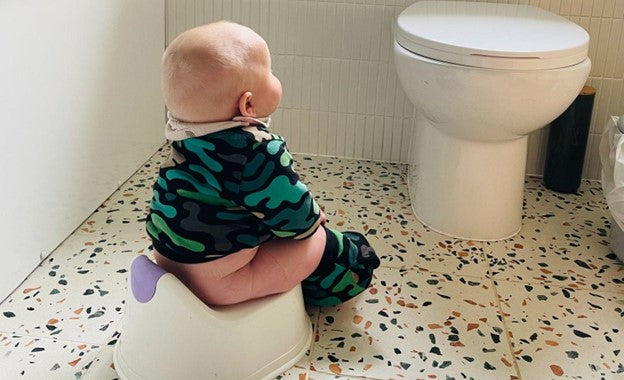
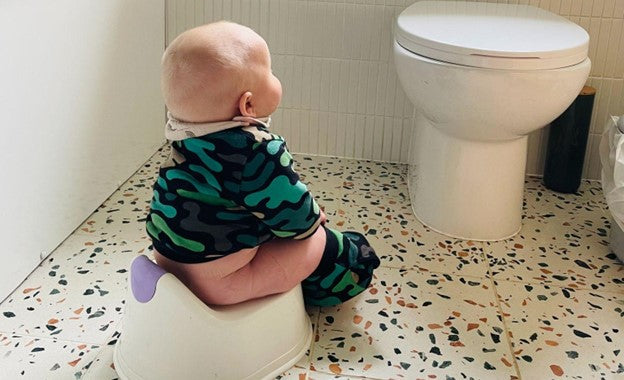
Support them in a seated position on a potty or toilet insert.
Respond – Cue along with your baby whilst they are going. Use a simple sound (like “pss pss”) or phrase to help them connect the cue with the sensation of going.
Looking Out for Your Baby’s Signals
Every baby communicates differently, but common signs that your baby might need to go include:
- Energy change: sudden fussiness or stillness
- Crying
- Squirming or wriggling
- Grimace or concentration face
- Grunting or bearing down
- Arching back
- Grabbing groin area
- Blowing raspberries
- Trying to escape the highchair, carrier, etc.
What Gear You May Find Useful
You don’t need much to get started, but a few items can make baby pottying easier:
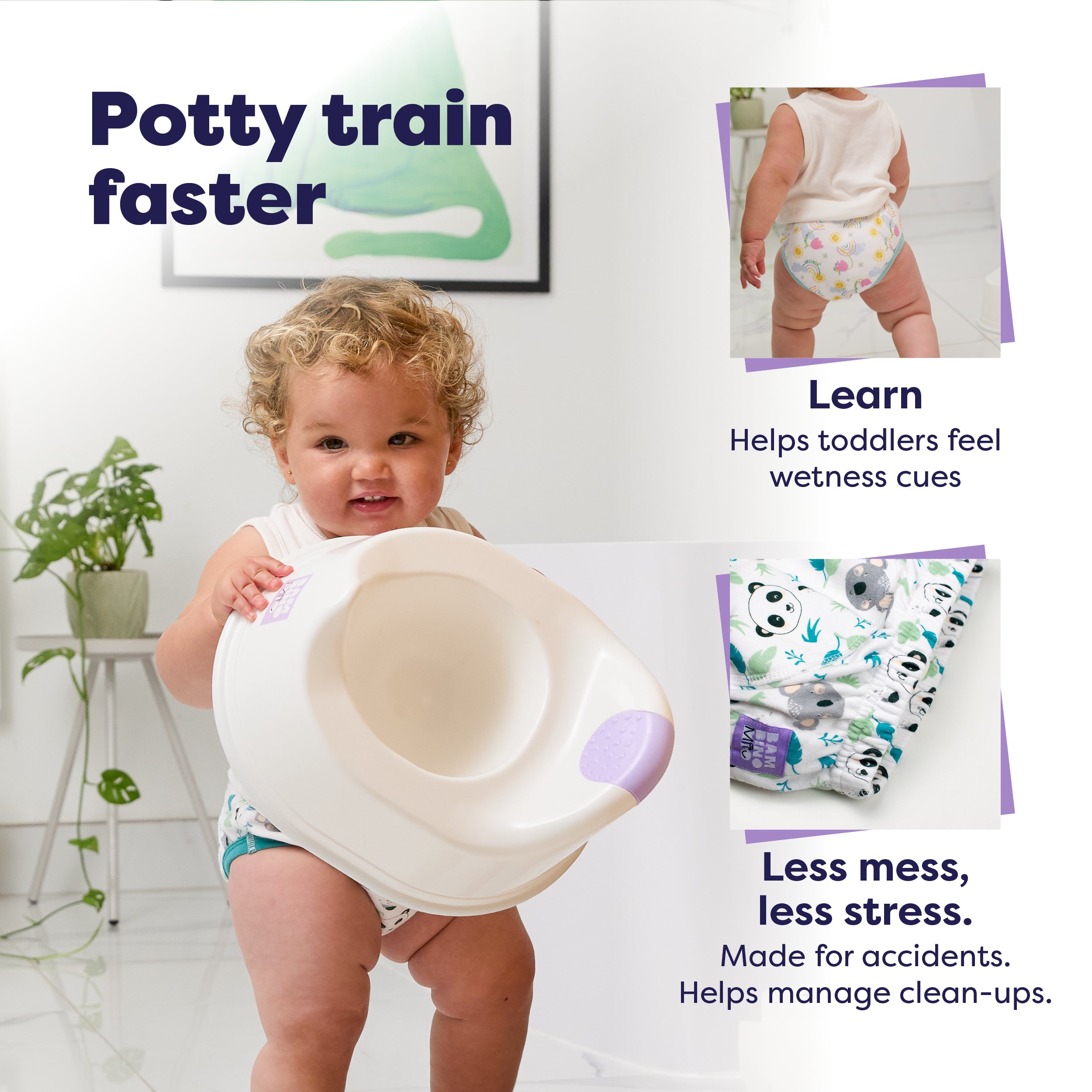
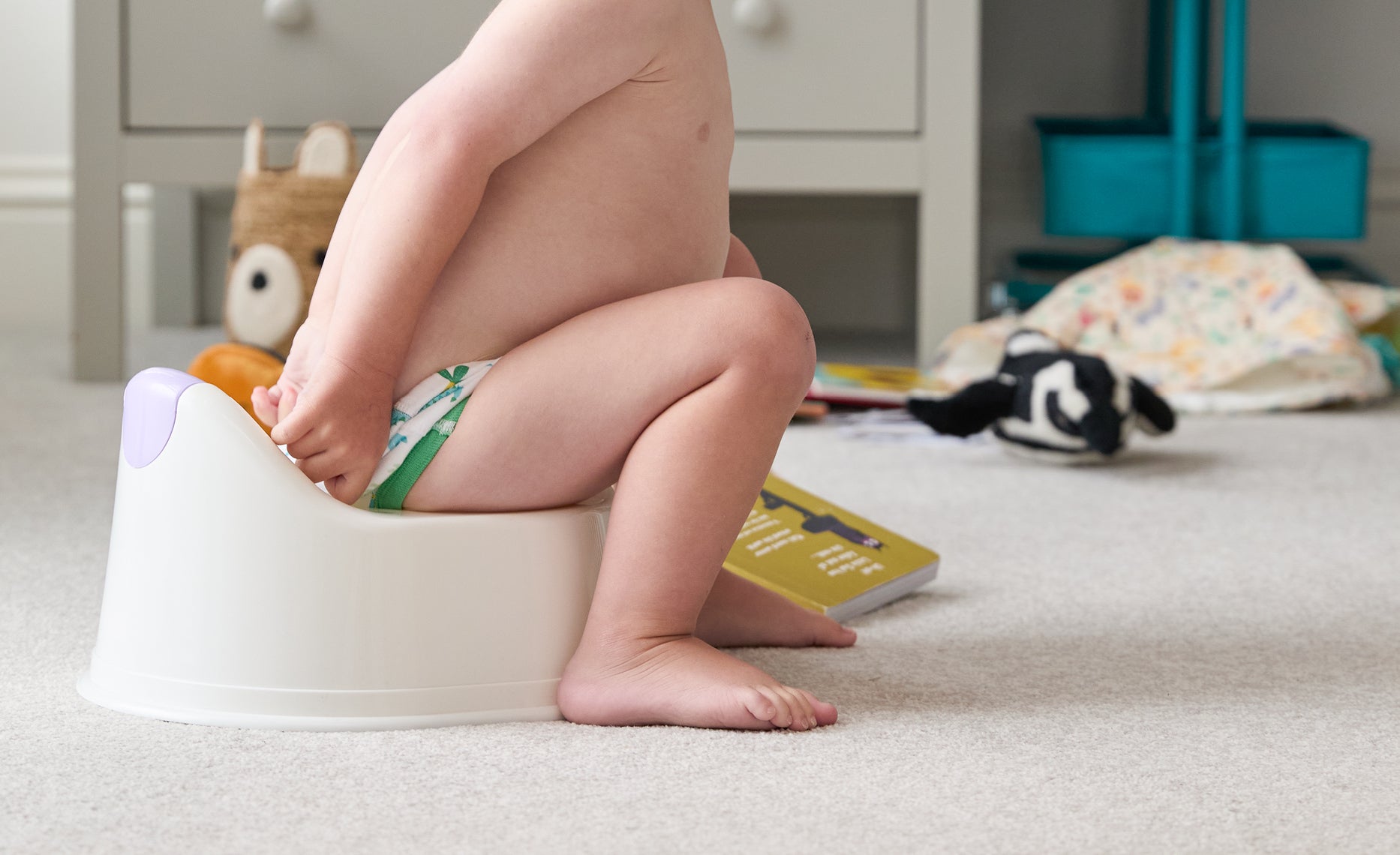
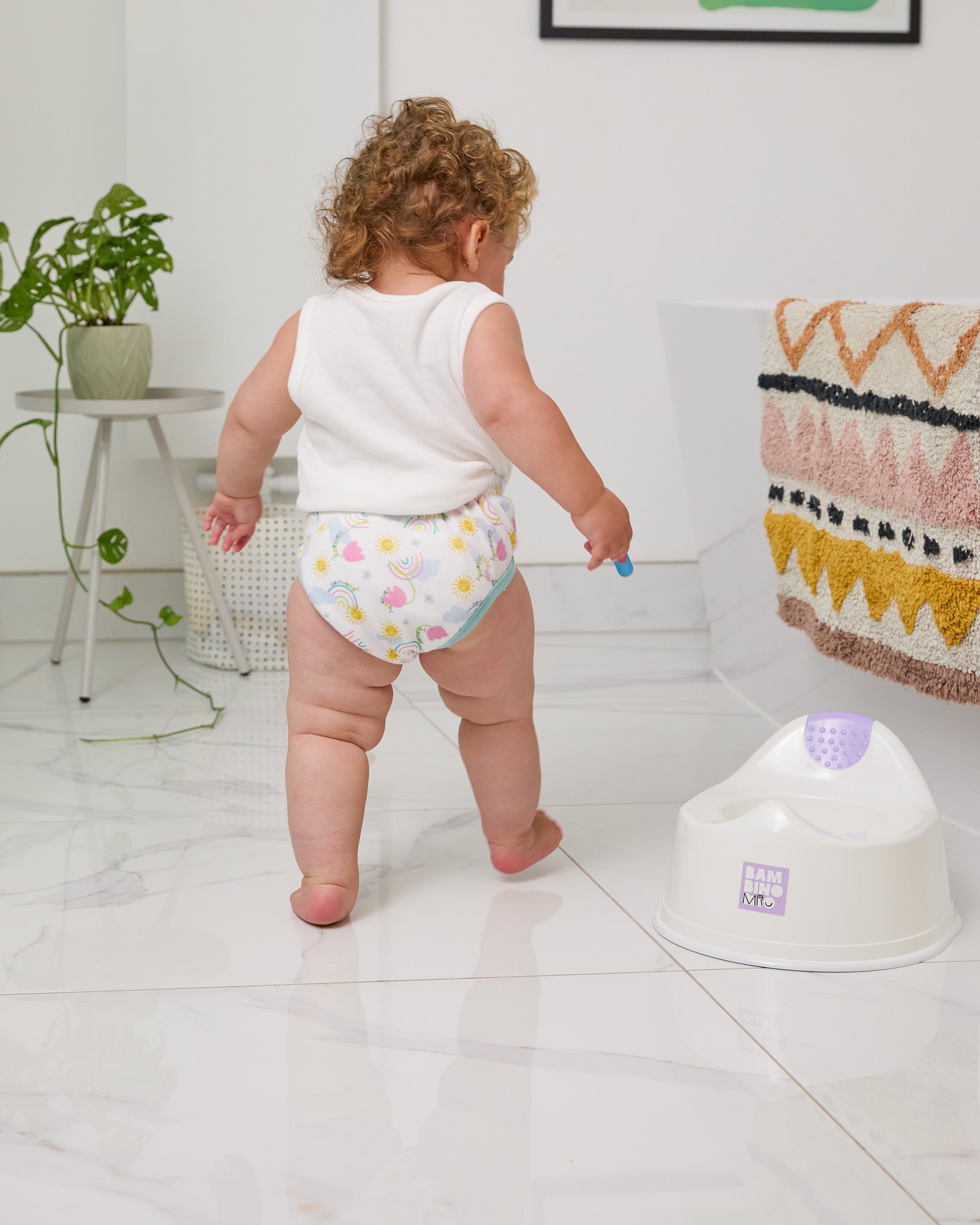
- Small potty – a tophat potty for newborns which sits between your legs or a low baby potty for older babies so they can sit comfortably with their feet on the floor.
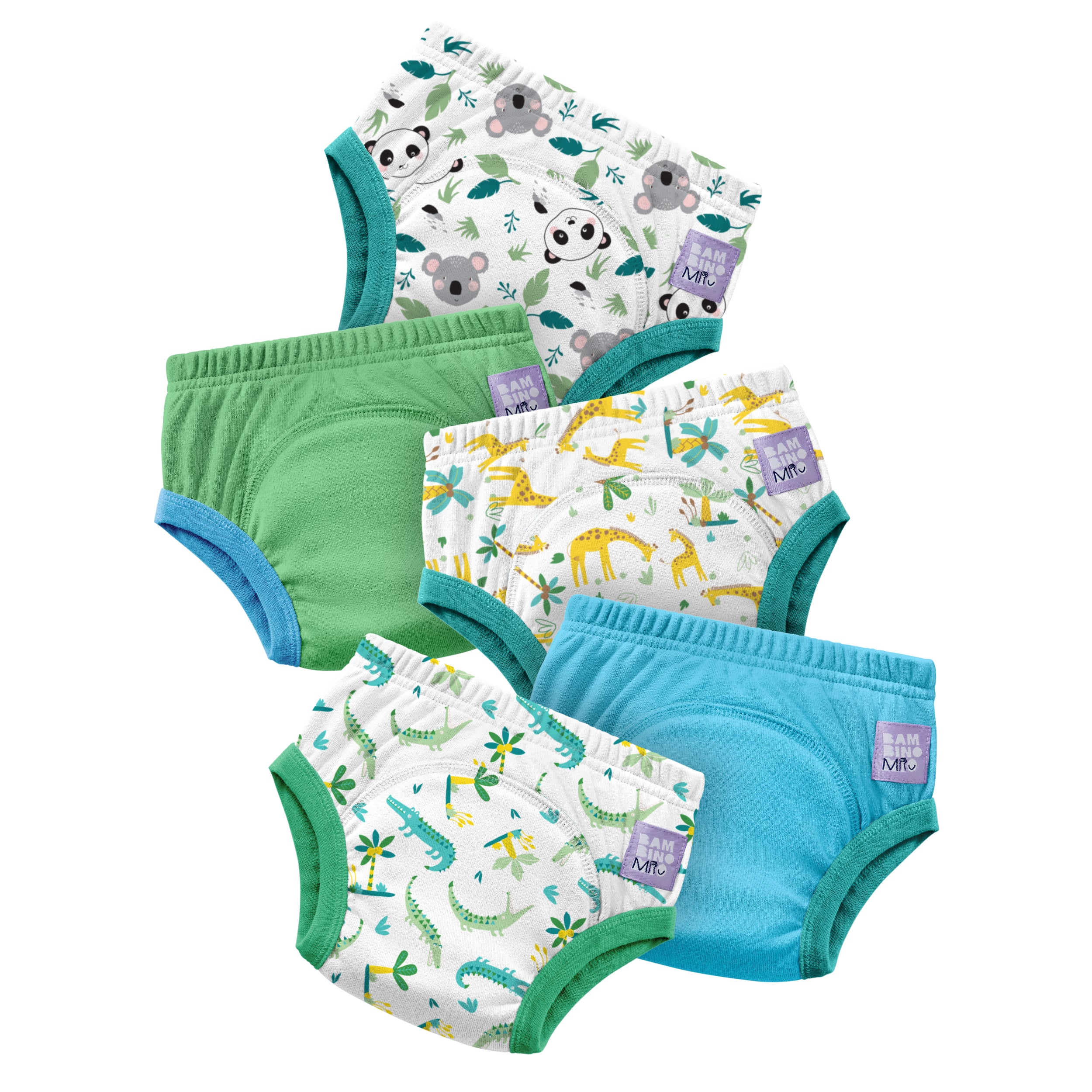
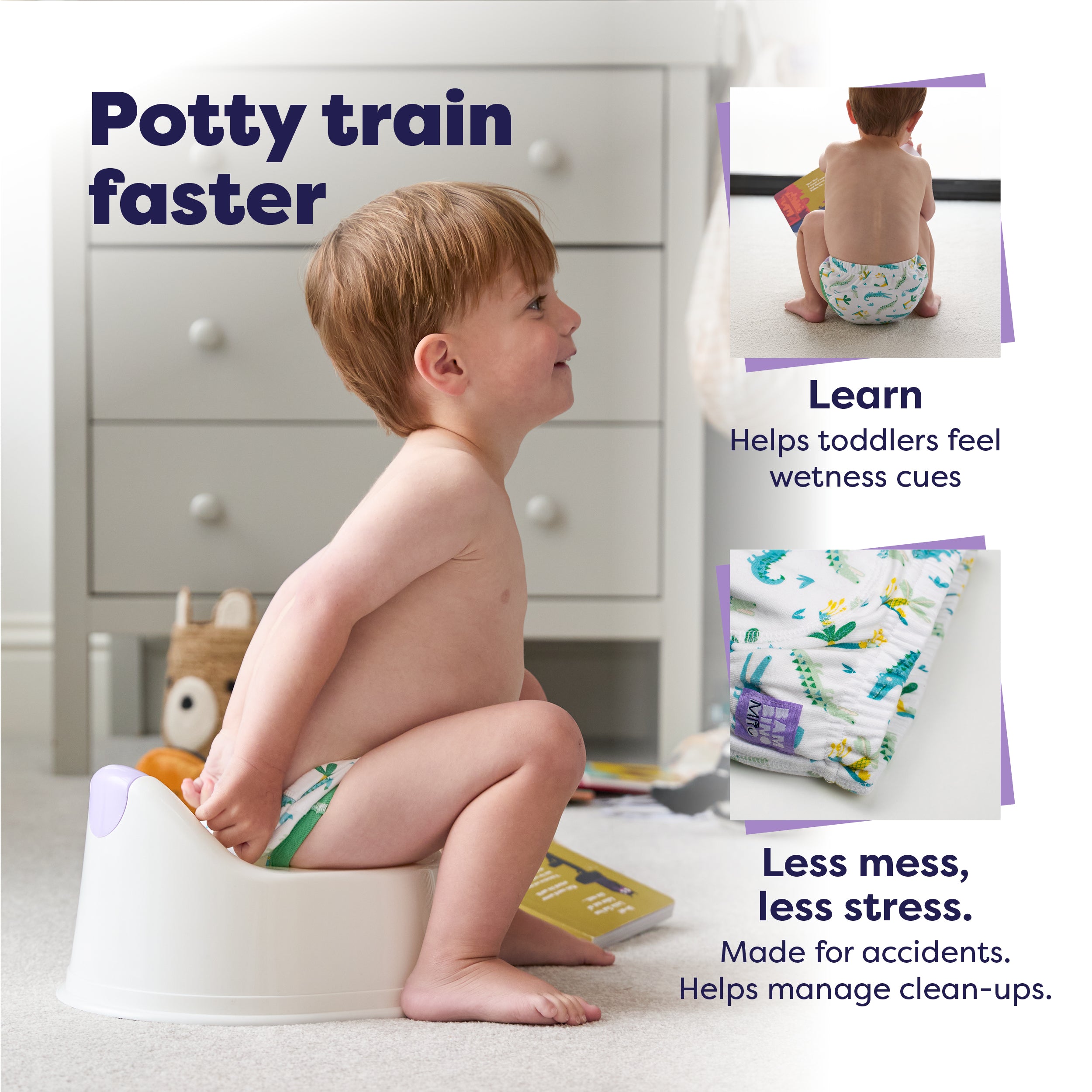
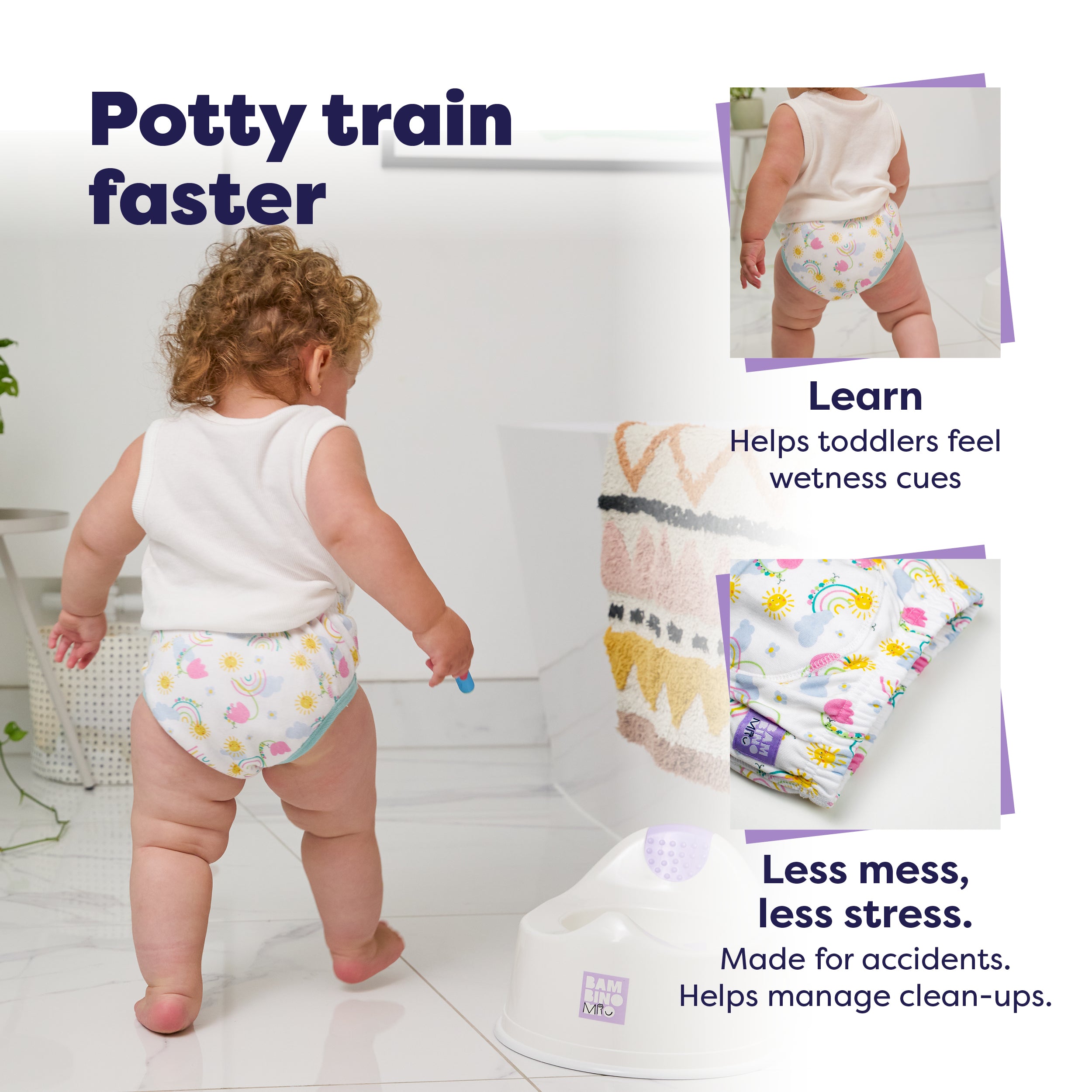
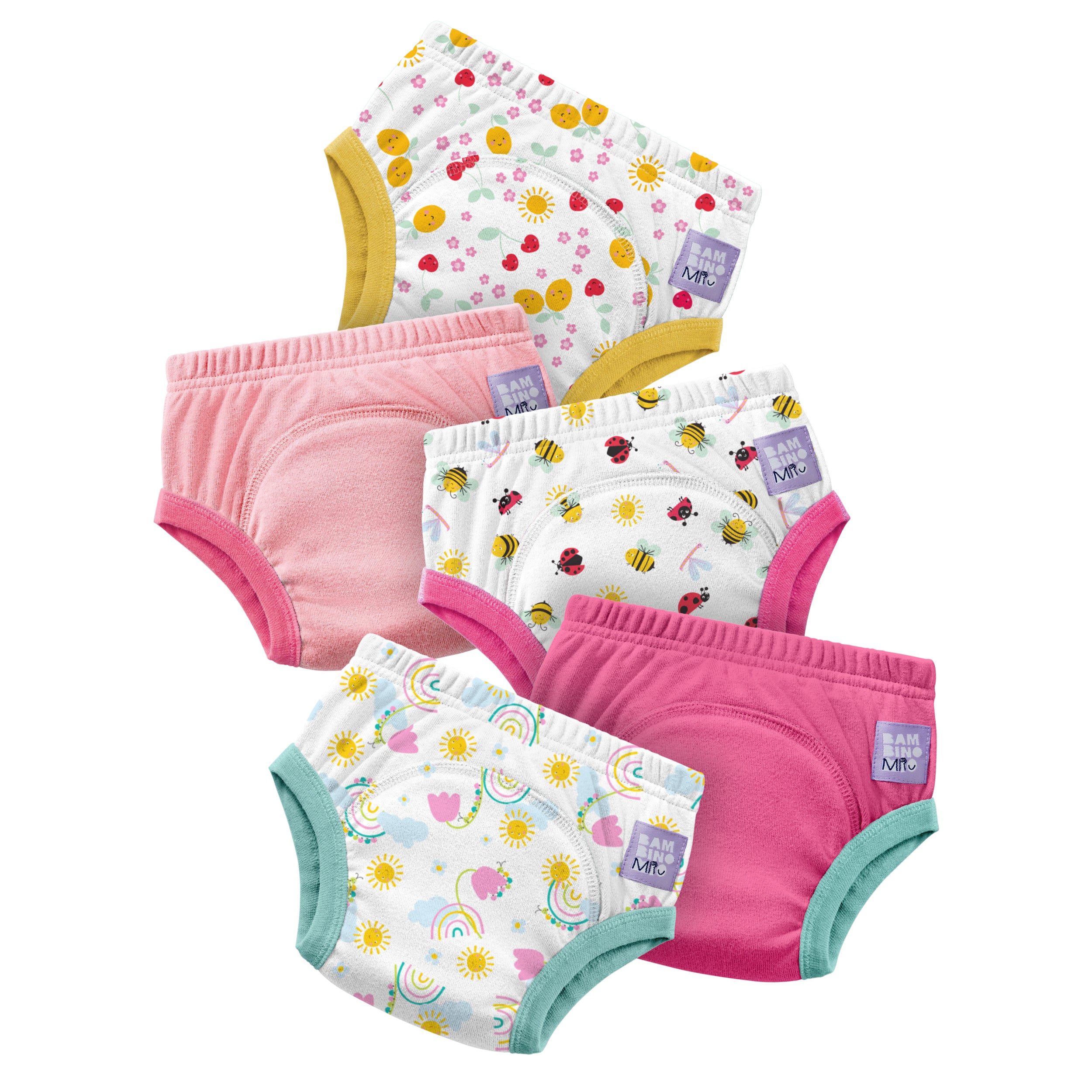
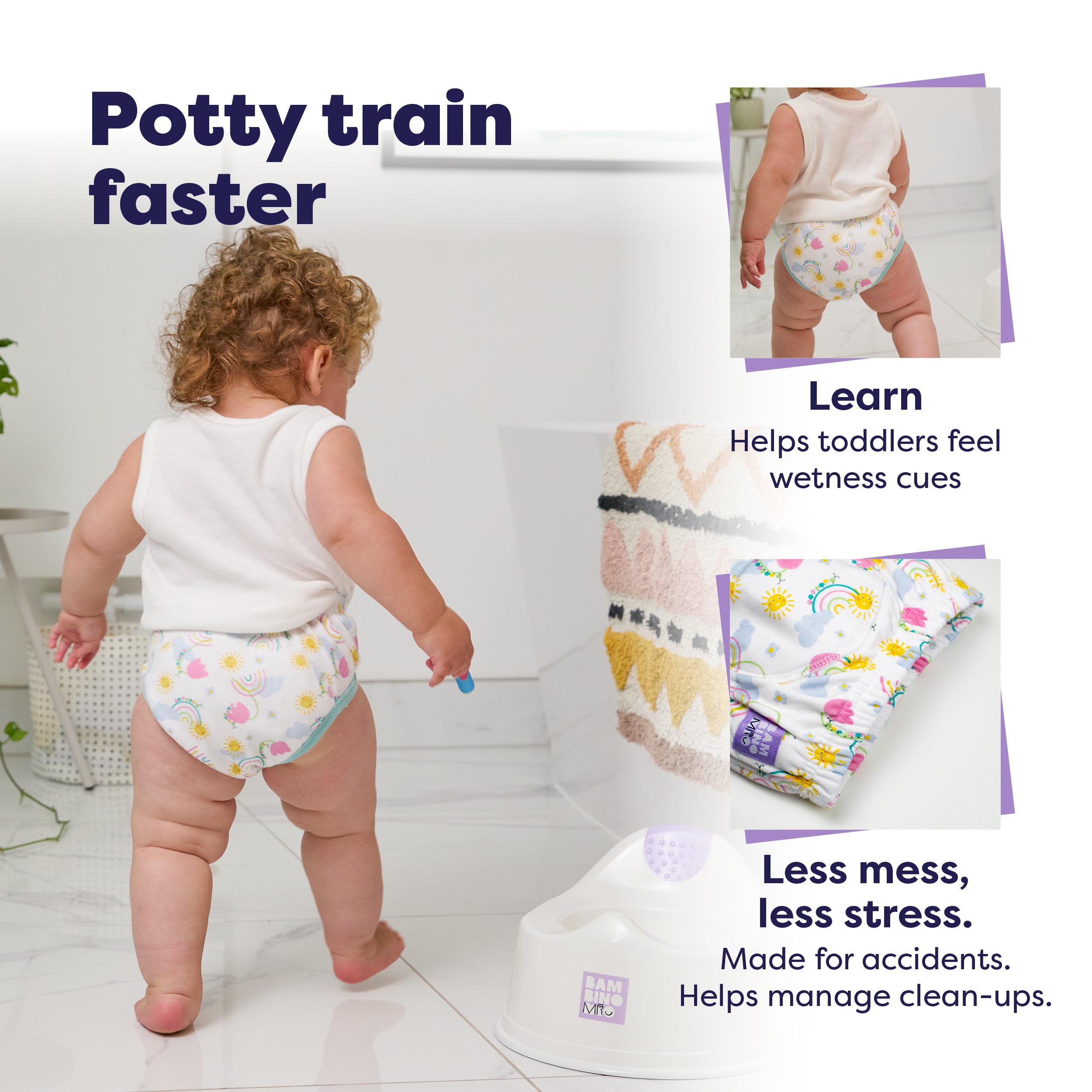
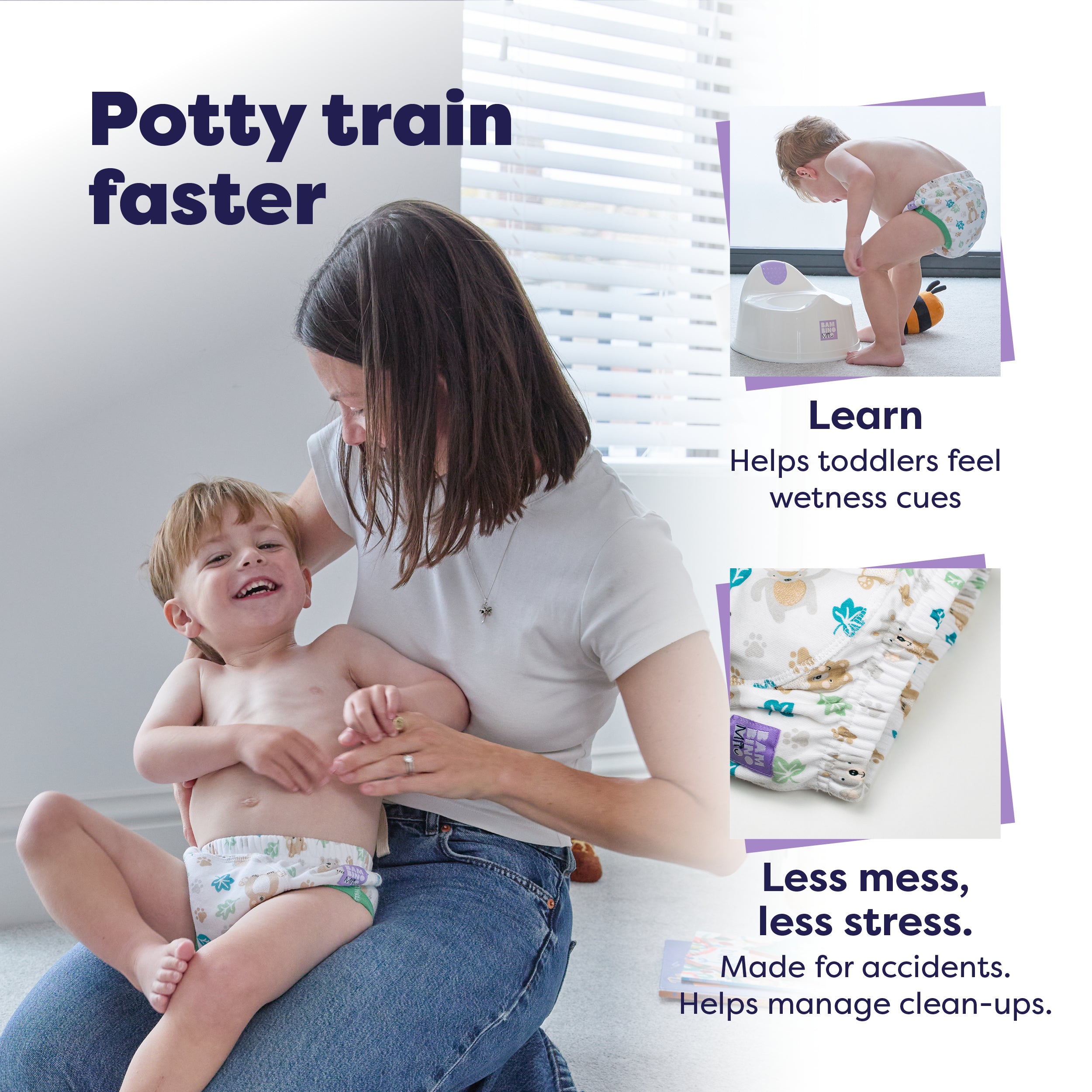
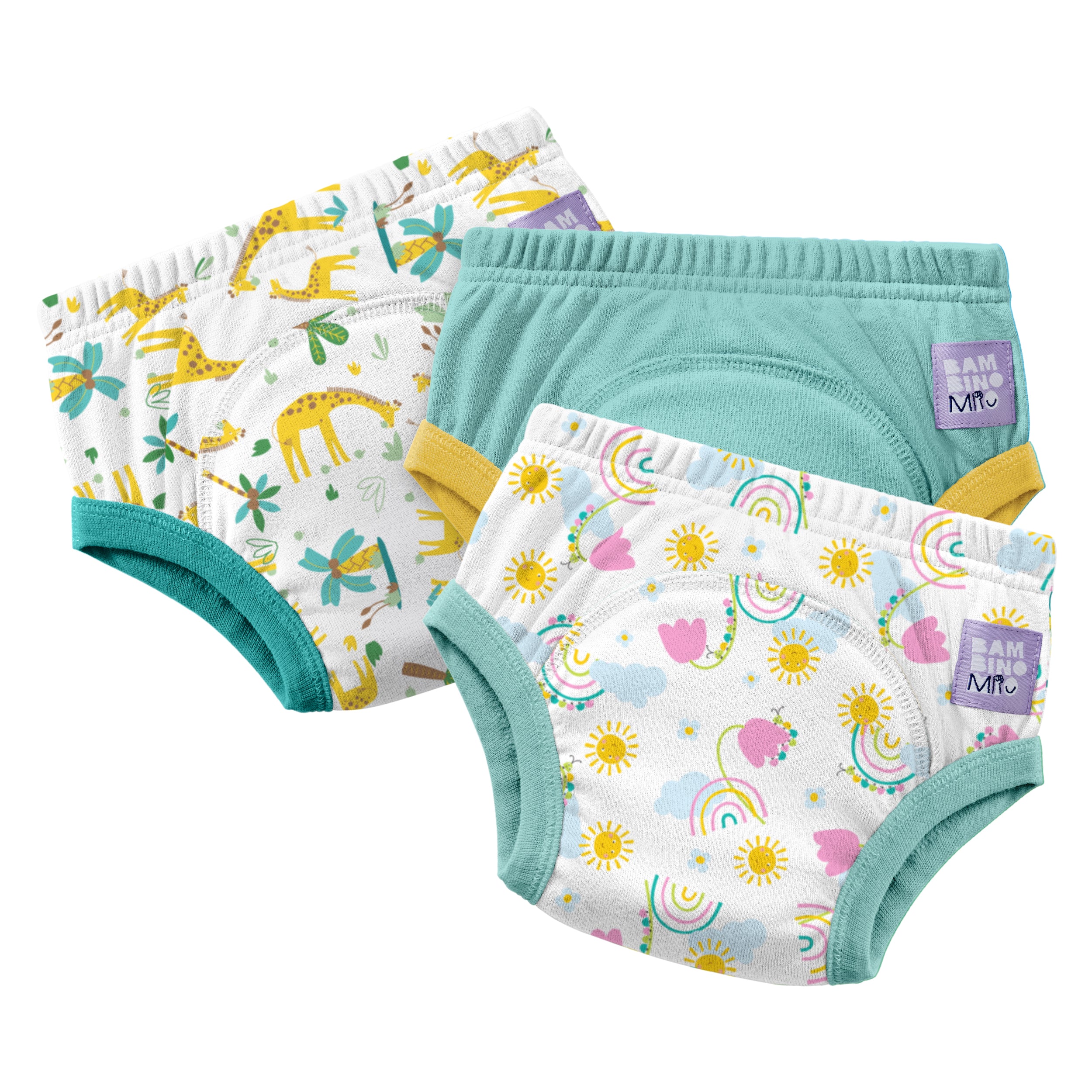
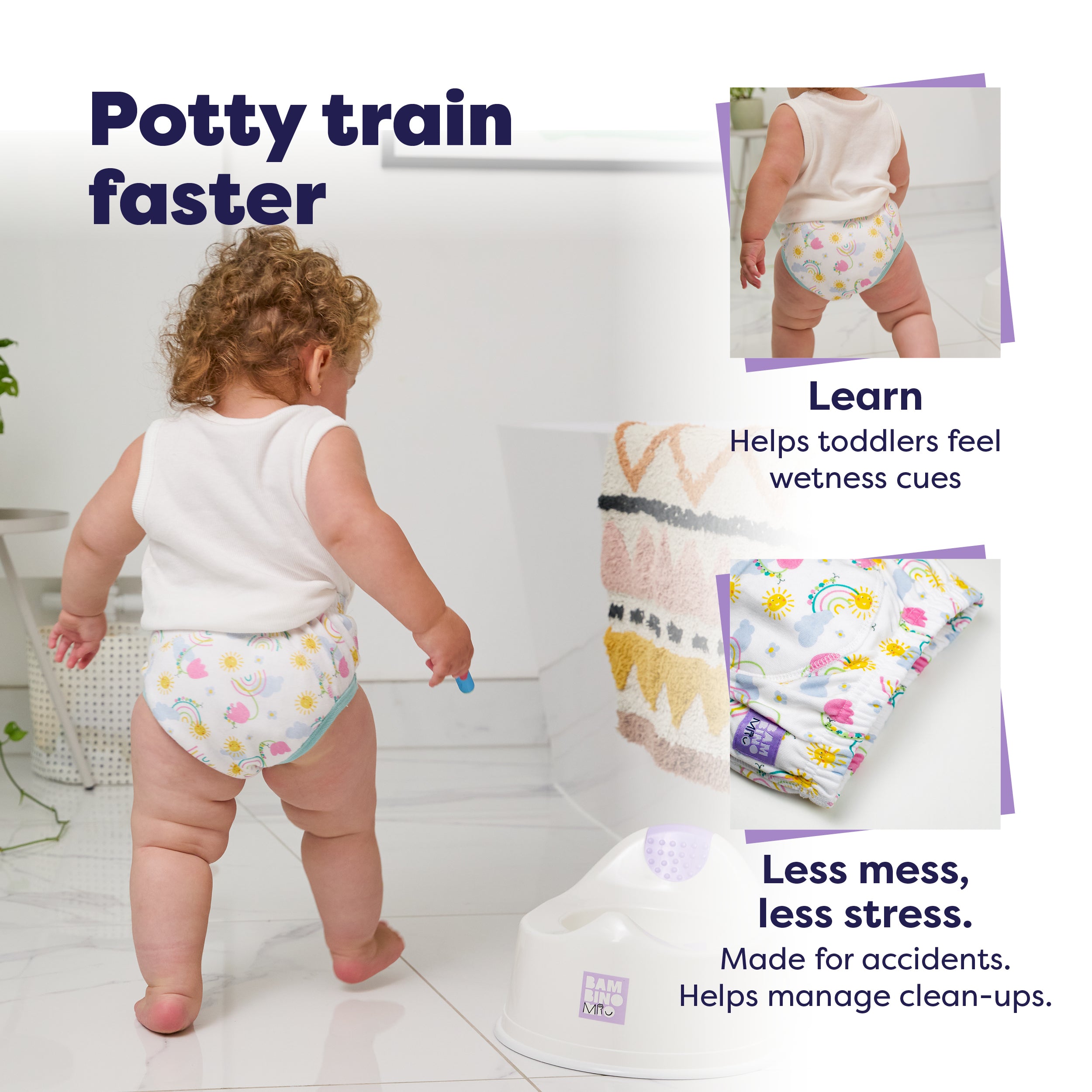
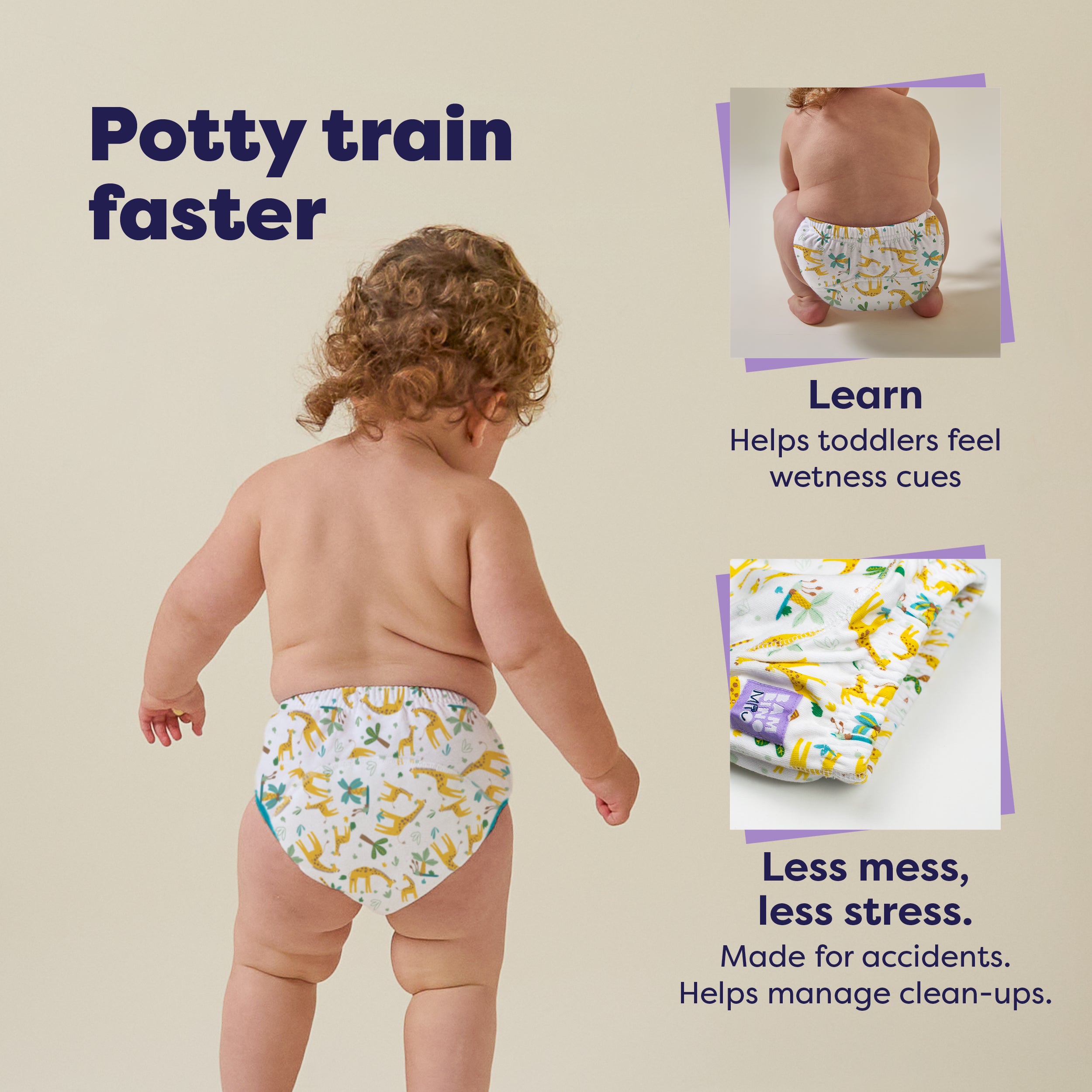
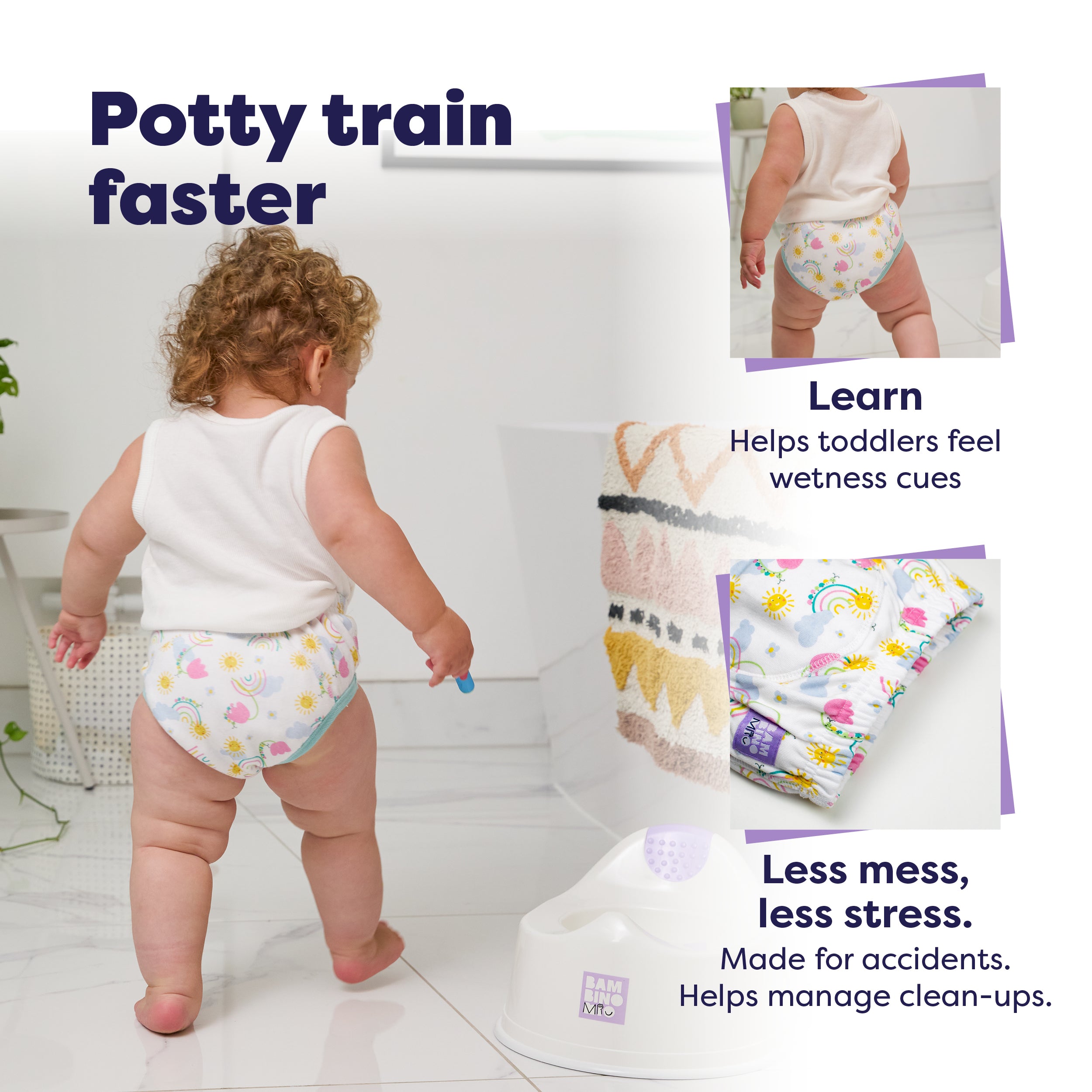
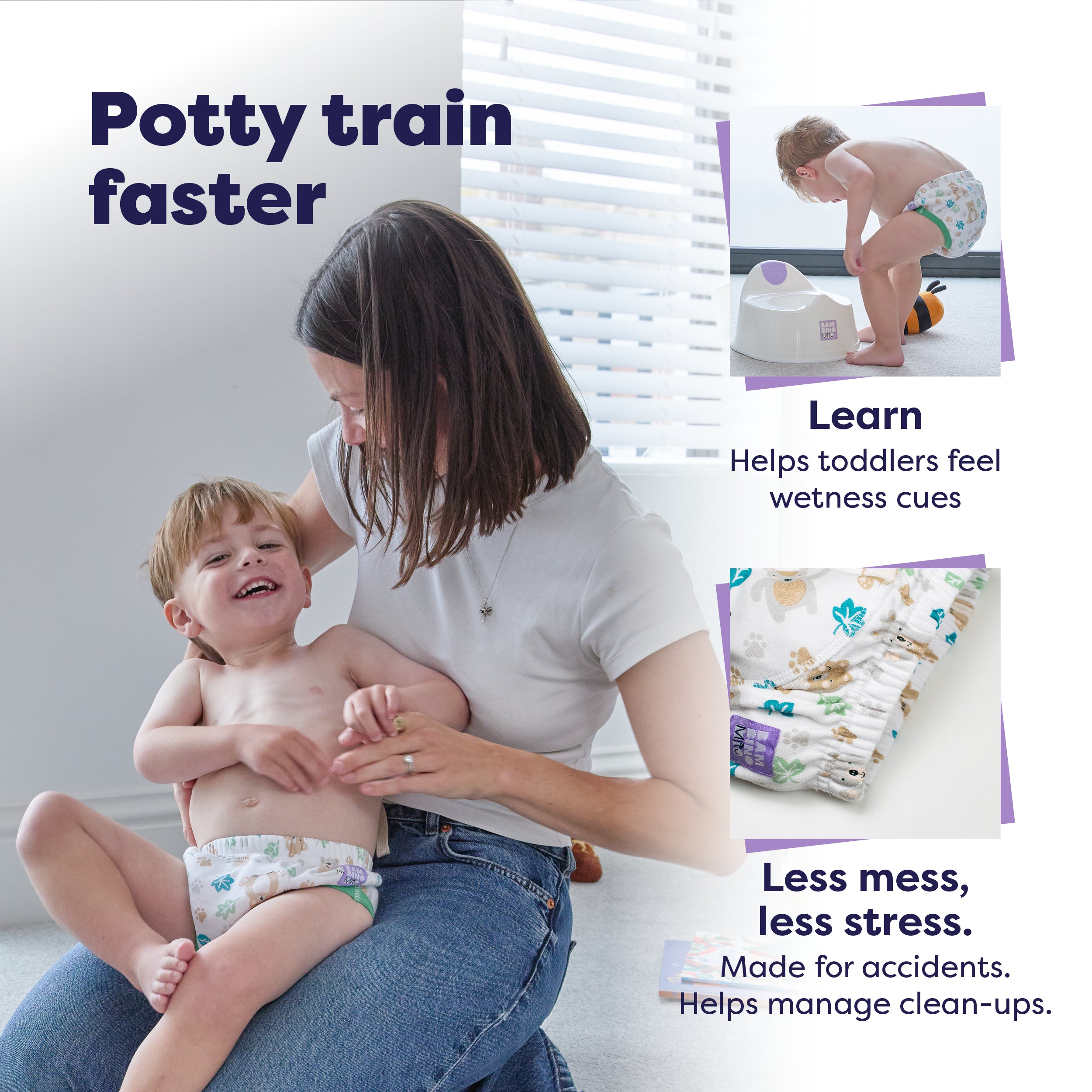
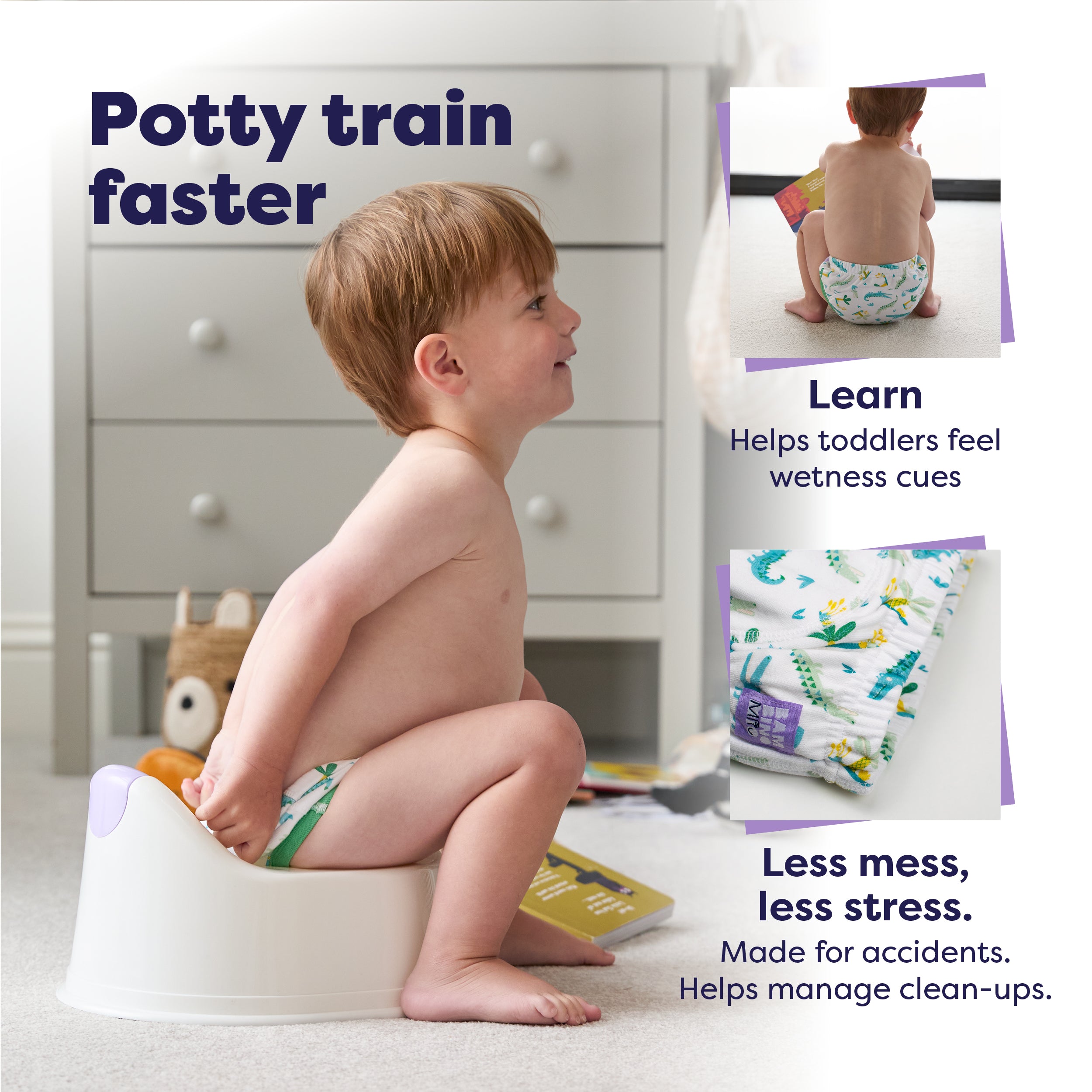
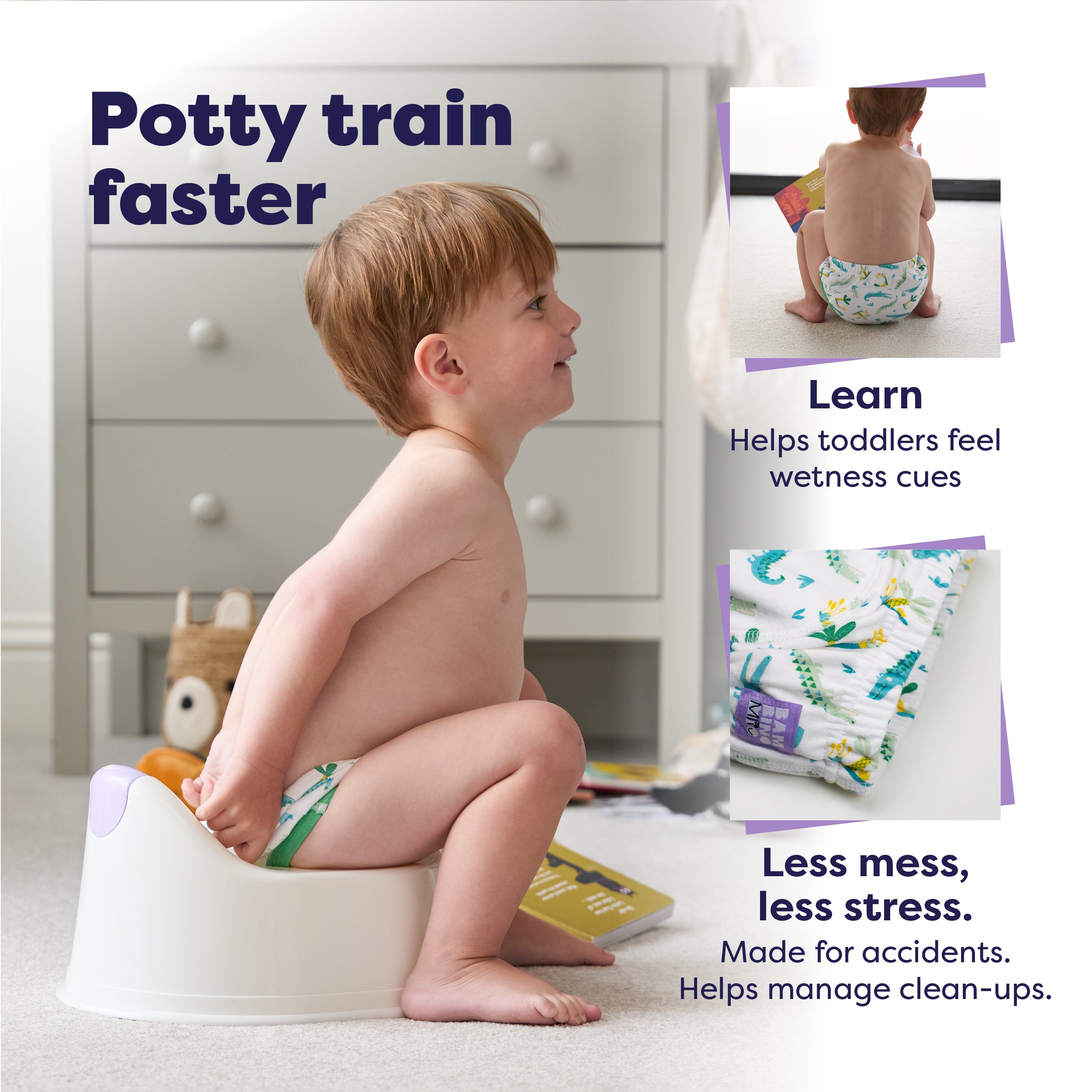
- Training pants – absorbent enough to catch a wee, so there’s less stress if you miss one. They also make it easy to see when your baby has gone, so you can respond by offering the potty and changing them into a dry pair.
- Portable potty – handy for pottying whilst out and about.
Learn More
Want to dive deeper into baby pottying and learn simple, practical steps to get started?
Visit babypottying.co.uk for more information, research and to join the online communities with parents who support one another on their baby pottying journeys.